
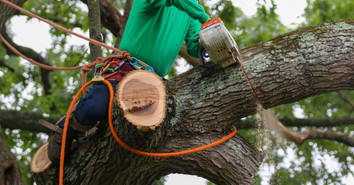
A reliable rigging system is essential for professionals who work at height. Whether you're an arborist, a rescue technician, or an industrial climber, your ability to work safely and efficiently depends on the quality and setup of your gear.
The pulley is an integral component in a rigging system to help lift heavy loads and secure progress. In this guide, we’ll walk you through how to integrate a pulley into your rigging system, as well as break down the basics of progress capture pulleys.
Understanding Pulleys
At its core, a pulley is a wheel on an axle or shaft that supports the movement and change of direction of a taut cable or rope. Pulleys are fundamental rigging tools that multiply force application to lift heavy loads. This mechanical advantage enables hoisting equipment, rescuing individuals, or managing tension in a system with far less physical exertion than it would normally require. Essentially, a pulley makes your job easier by making you stronger.
Types of Pulleys
There are several types of pulley systems, each offering different levels of mechanical advantage. A simple pulley system uses a single wheel to redirect the force. While it does not multiply the force, it changes the direction of the pull, which can be incredibly useful for positioning.
A compound pulley system, on the other hand, uses multiple wheels to increase the mechanical advantage significantly. By adding more pulleys to the system, you can progressively lift heavier loads with the same effort. This is the principle behind complex hauling and lifting systems rescue and industrial applications use.
Key Components and Their Functions
A pulley consists of several key parts working together. The sheave is the grooved wheel that the rope runs over. Its design is crucial for efficiency and to prevent rope wear. The axle is the pin around which the sheave rotates.
The side plates (or cheeks) hold the axle and sheave in place and provide attachment points for carabiners or other connectors. High-quality pulleys often feature ball bearings to reduce friction, allowing the sheave to spin smoothly and maximizing efficiency.
The Progress Capture Pulley
Now, what if a pulley could do more than help you lift? A progress capture device is a pulley that includes a one-way locking mechanism, often called a cam or clutch. This mechanism allows the rope to move freely in one direction (for hauling) but automatically locks it to prevent movement in the opposite direction. This means that once you’ve pulled a section of rope through, the pulley holds the load in place, allowing you to rest or reset without losing any progress.
How It Differs from Standard Pulleys
A standard pulley redirects force; it has no braking or holding capability. If you let go of the rope in a standard pulley system, the load will fall. A progress capture pulley, however, integrates the function of an ascender or rope grab directly into the pulley itself. This dual functionality simplifies your rigging system, reduces the equipment you need to carry, and minimizes the risk of human error.
Benefits of Using Progress Capture Pulleys
There are many significant advantages to using a progress capture pulley. They augment your safety by preventing the load from accidentally dropping. They boost efficiency by allowing the hauler to rest without losing ground, which is especially important during long or strenuous hauls.
Furthermore, they simplify the rigging process by combining two pieces of equipment into one, reducing clutter on your harness and at the anchor. For rescue operations, hauling gear, or any situation requiring precise load management, a progress capture pulley is an invaluable asset.
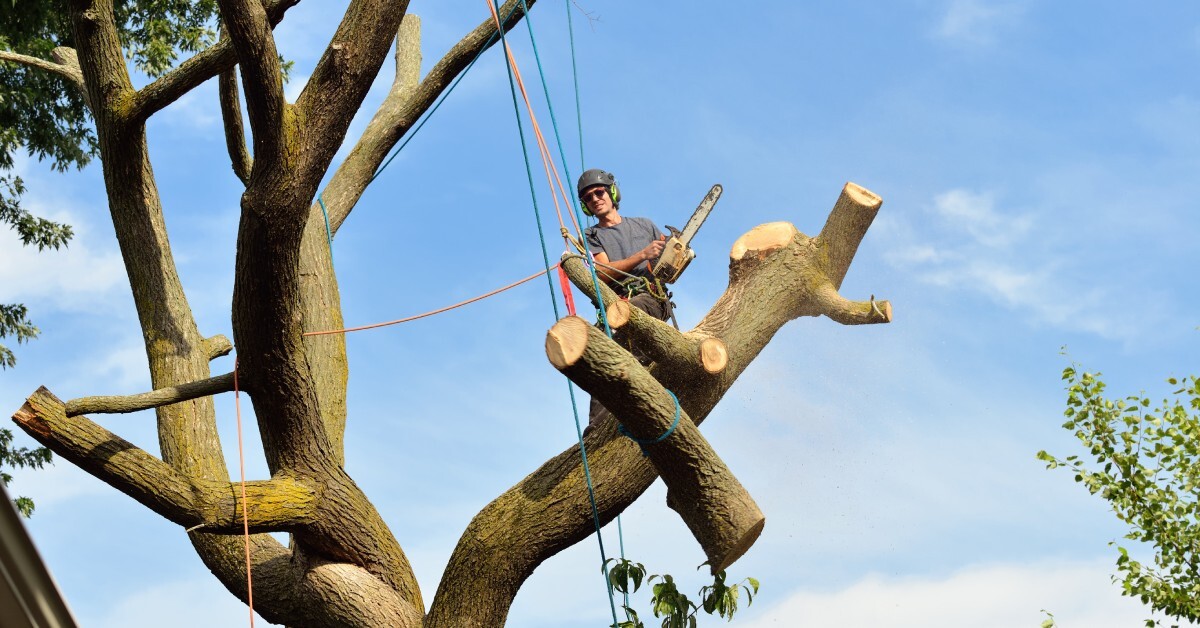
Incorporating a Pulley into Your Rigging System
Now that you understand more about pulleys, our guide will show you how to integrate them into your rigging system.
Integrating a Pulley: Step-by-Step
Adding a pulley to your system requires careful attention to detail. First, securely attach the pulley to a solid anchor point using a carabiner. Verify the anchor is strong enough to handle the load.
Next, feed the rope through the pulley, making sure it sits correctly in the sheave. Lock and close the side plates, if the pulley has them. Before applying the full load, perform a test pull to confirm that the system runs smoothly and holds.
Real-World Examples and Applications
Pulleys are useful in a wide range of applications. In technical rescue, they help build hauling systems to lift a stranded climber or a rescue litter. Arborists use them to hoist heavy equipment into trees or to control the lowering of large branches. Rope access work utilizes them for positioning and mechanical advantage systems.
Best Practices and Safety Tips
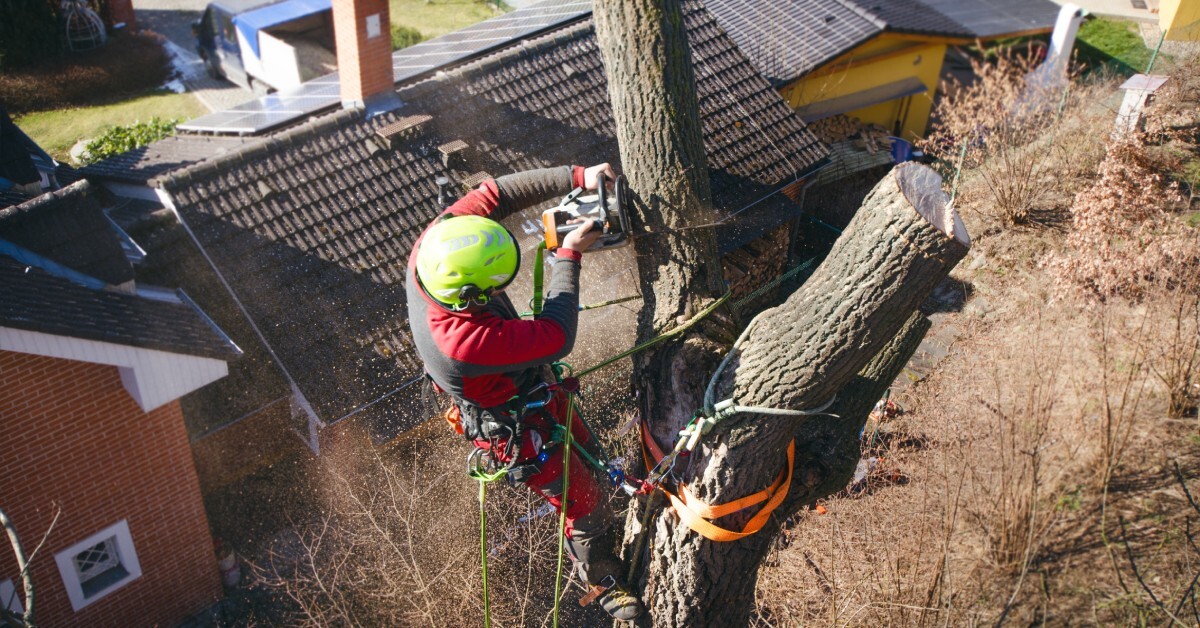
Safety is always the priority when using a rigging system to lift heavy or fragile loads. Rigorous security checks and inspections will verify that your rigging system is safe and ready to handle the load.
Safety Precautions and Best Practices
Always double-check the locks of your carabiners and confirm the secure closure of any pulley gates or side plates before use. Be mindful of the rope path to avoid twists or tangles that could compromise the system. It is also critical to understand the forces you are generating. A complex pulley system can multiply forces on your anchor, so ensure the security of your anchor points.
Regular Inspection and Maintenance
Like all life-safety equipment, your pulleys require regular inspection and maintenance. Before each use, check the sheave for any damage or debris and confirm that it spins freely. Inspect the body of the pulley for cracks or deformation. After use, clean your pulley with fresh water to remove contaminants like dirt or salt and allow it to dry completely before storage.
Load Capacity Considerations
Every pulley has a maximum breaking strength (MBS) and a working load limit (WLL) that its manufacturer specifies. You must never exceed the WLL. Remember that compound pulley systems can multiply the forces on the pulley and its anchor. Always calculate the potential loads on your system to guarantee you remain within safe limits. A 2:1 mechanical advantage system may seem simple, but under the right conditions, the forces can quickly add up.
Proper Storage and Handling
Store your pulleys in a clean, dry place away from direct sunlight, chemicals, and extreme temperatures. A gear bag is ideal for protecting your equipment from damage during transport. Avoid dropping your pulleys or subjecting them to impacts, as this can cause unseen damage that could cause failure under load.
Elevate Your Rigging Efficiency
Adding a pulley to your rigging system is a significant step toward greater efficiency and safety. At Monarch Rope, we have everything you need for a high-quality and safe rigging system, from rope to hardware, anchors, harnesses, and more. If you’re ready to upgrade your system, explore our range of industry-leading pulleys and find the perfect tool to enhance your work at height.