
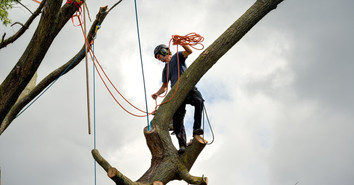
To the untrained eye, an arborist block and a standard pulley might look identical. They both feature a wheel (sheave), side plates, and an attachment point. They both allow a rope to change direction. However, confusing these tools in a heavy rigging scenario invites trouble.
Understanding the engineering differences between an arborist block and a pulley allows you to determine which hardware you need for the task at hand. The distinction lies in how each device handles weight, friction, and shock loading. Whether you are setting up a mechanical advantage system or chunking down a heavy trunk, selecting the correct tool for the job determines the safety of the operation.
Arborist Blocks and When You Should Use Them
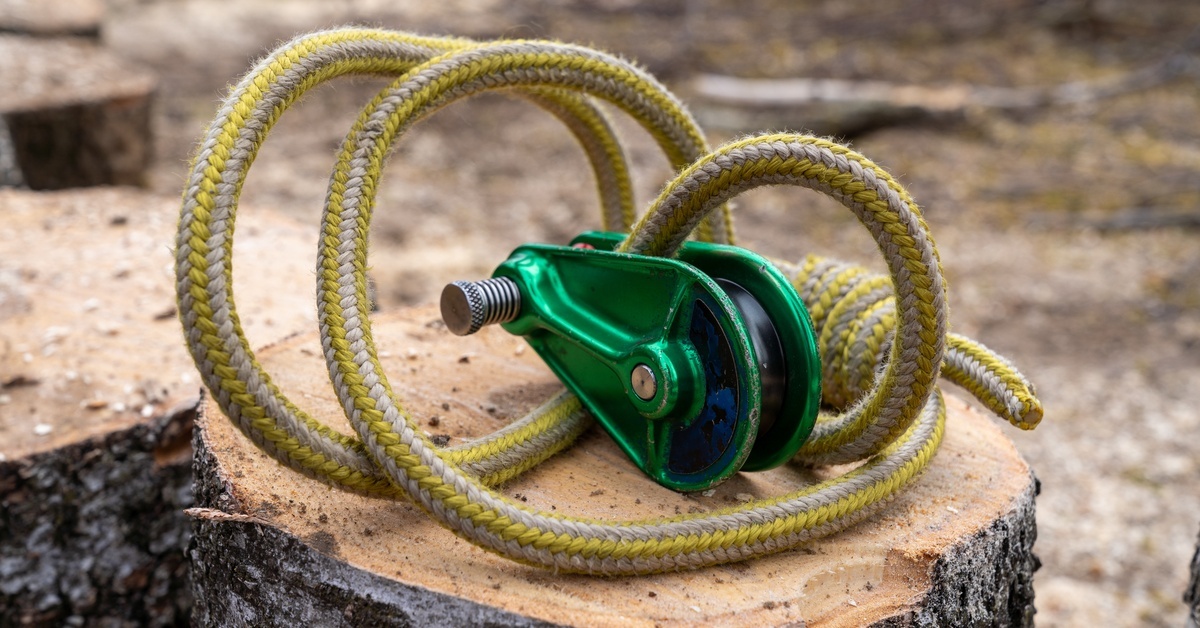
Manufacturers design arborist blocks specifically for negative rigging. When you cut a heavy section of wood and it drops several feet before the rope catches it, the system experiences a shock load. This force can multiply the weight of the wood significantly. An arborist block absorbs this energy without deforming or failing.
The construction of these blocks reflects this purpose, as they typically feature a much wider wheel compared to a standard pulley. This width accommodates the thicker diameter of dedicated rigging lines, often ranging from 1/2 inch to over 3/4 inch. The wider surface area also supports the rope better, preventing it from flattening under extreme pressure.
Furthermore, blocks usually utilize bushings rather than ball bearings. Bushings are simple, robust sleeves that sit between the axle and the sheave. While they create more friction than bearings, they possess incredibly high resistance to crushing forces. If you anticipate heavy shock loading or are working with thick rigging lines, the block serves as your primary rigging point.
Pulleys and Where They Fit in Tree Care
Pulleys prioritize efficiency and smooth rotation. Engineers design them to reduce friction as much as possible, which makes them the ideal choice for lifting, lowering, and creating mechanical advantage systems. If you need to hoist gear into the canopy or pretension a line, a pulley makes the work significantly easier.
The internal mechanism usually features ball bearings. These bearings allow the sheave to spin freely with very little resistance. While excellent for speed and efficiency, ball bearings can dent or shatter under the high-impact stress of negative rigging. Once a bearing deforms, the pulley will not spin correctly, rendering it useless.
Pulleys also tend to have narrower sheaves designed for climbing lines or lighter rigging ropes. Using a thick rigging line in a narrow pulley can pinch the rope, causing internal friction and damaging the fibers. If the goal is moving a load up or across with minimal effort, the pulley wins every time.
How Dynamic Loading Capabilities Differ
The most significant operational difference between these two tools involves their capacity to handle dynamic loads. A static load refers to a weight that does not move or moves slowly and smoothly. A dynamic load involves movement, speed, and sudden stops.
Tree work inherently involves dynamic forces. When a log snaps against the rigging line, the anchor point experiences a sudden spike in force. Arborist blocks feature sturdy axles and thick side plates designed to withstand these spikes.
Conversely, standard pulleys often feature rotating side plates (swing cheeks) that might not withstand the twisting forces of a wayward log. If a heavy log rotates during the fall and twists the hardware, a standard pulley’s side plates could warp.
Why Friction Matters in Rigging vs. Climbing
Friction can be an enemy or a friend depending on your specific task. In climbing, you want to minimize friction to conserve your energy. This is why climbing pulleys always use high-efficiency ball bearings.
In heavy rigging, however, friction helps control the descent. The bushing in an arborist block adds a calculated amount of drag to the system. This reduces the force transmitted to the friction brake and the ground worker holding the line.
However, situations exist where you’ll want to minimize rigging friction. For example, if you are lifting limbs away from a house using a winch or a mechanical advantage system, you would incorporate high-efficiency pulleys to ensure that your effort goes into moving the wood, not fighting the hardware. You might also use pulleys to redirect a line to a better drop zone. In these redirect scenarios, the load is usually static or light, making the pulley safe to use.
What Distinguishes Build Quality From Sheave Design
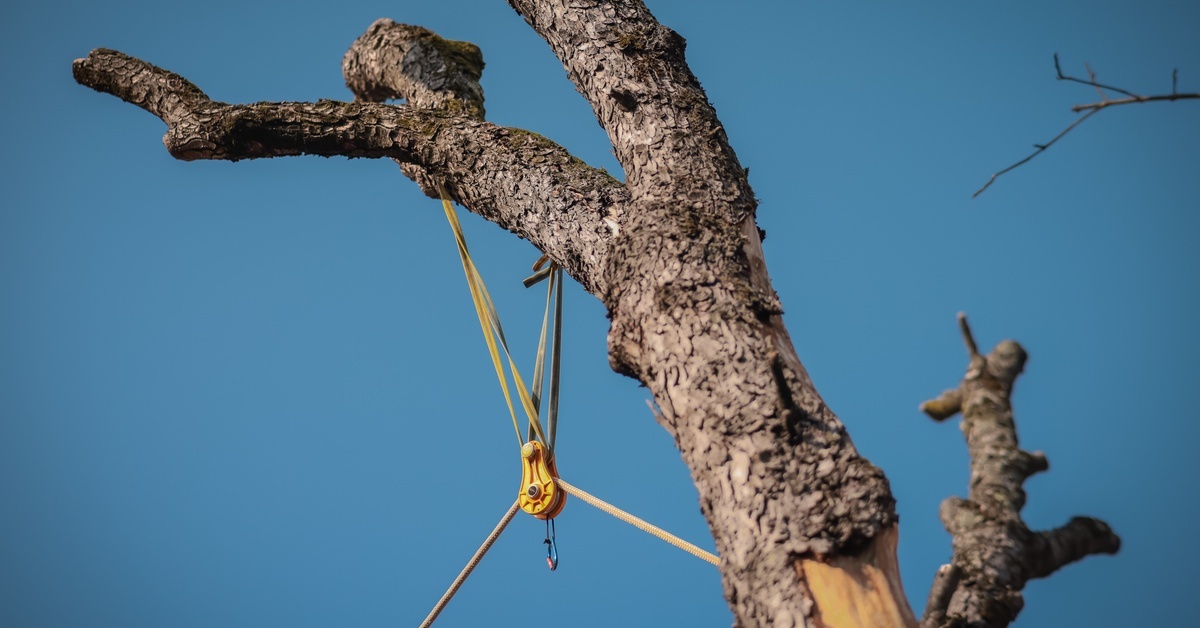
A close inspection of the sheave reveals the specific engineering intent behind each tool. Arborist blocks possess a high bend ratio, which relates to the diameter of the sheave relative to the diameter of the rope. A larger sheave creates a gentler bend in the rope. Since rigging lines endure immense tension, the large diameter of an arborist block helps preserve the lifespan of your expensive ropes.
Additionally, the cheek plates on a block often look different. They typically flare out or feature rounded edges. This design protects the rope from abrasion against the tree bark if the block twists or rubs against the trunk.
Standard pulleys usually have slimmer profiles. While many high-quality, arbor-specific pulleys exist with rounded edges, general-purpose pulleys might have thinner plates that could cut into a rope under unusual angles.
The Hardware That Fits Your Specific Rigging Scenario
Making the final hardware choice between an arborist block and a pulley requires analyzing the specific mechanics of the cut you plan to make. You must assess the weight of the wood, the potential fall distance, and the rope diameter.
Consider these factors when selecting your gear:
- Shock Loading: If the wood will free-fall before the rope catches it, you must use an arborist block.
- Static operations: If you are lowering a limb that is already supported, a robust pulley works well.
- Lifting: If you are using lifting ropes to hoist tools or cabling materials into the canopy, a pulley with bearings saves energy.
- Rope diameter: A thicker rope requires a block, while thinner ropes suit a standard pulley.
- Redirects: For changing the line angle to avoid obstacles, a pulley works perfectly, as the primary force remains at the main anchor point.
Ultimately, every arborist needs both tools in their kit. The block handles the heavy, dangerous work at the top of the rigging system, taking the brunt of the impact. The pulleys handle the finesse work, the redirects, and the mechanical advantage systems that help you move material efficiently with lifting ropes.
Knowing exactly which tool to grab prevents equipment failure. It ensures that when that log drops, your hardware performs exactly as expected, keeping your crew safe and your jobsite running smoothly.