
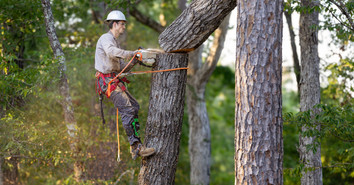
Tree work ranks among the most dangerous jobs out there. You’re climbing dozens of feet into the air, handling chainsaws, dodging falling branches, and dealing with unpredictable weather. One mistake or one missing piece of safety gear can turn a routine job into a trip to the emergency room—or worse.
That’s why proper personal protective equipment isn’t optional. It’s the difference between going home safe at the end of the day and becoming a cautionary tale. The right PPE protects you from cuts, falls, impacts, and a host of other hazards that come with the territory.
So what essential personal protective equipment (PPE) should every arborist have? Let’s break it down.
Climbing Harnesses: Your Lifeline in the Canopy
A quality climbing harness is the foundation of safe tree work. It distributes your weight evenly, supports your body during climbs, and connects you to ropes and rigging systems that prevent falls.
Harnesses should meet ANSI Z133 standards and include adjustable leg loops, padded waist belts, and multiple attachment points for gear. Inspect your harness regularly for signs of wear, fraying, or damage, and replace it if you spot any issues.
Rope and Rigging Gear: Staying Connected and Controlled
On a related note, ropes, carabiners, and rigging equipment are critical for climbing, lowering limbs, and maintaining control during tree work. Use ropes specifically designed for arboriculture, as they offer the strength and flexibility needed for dynamic loads.
Carabiners should be rated for the forces they’ll encounter, and you should inspect them before every use. Damaged or worn rigging gear can fail at the worst possible moment, so replace anything that doesn’t meet safety standards.
Hard Hats: Protecting Your Most Valuable Asset
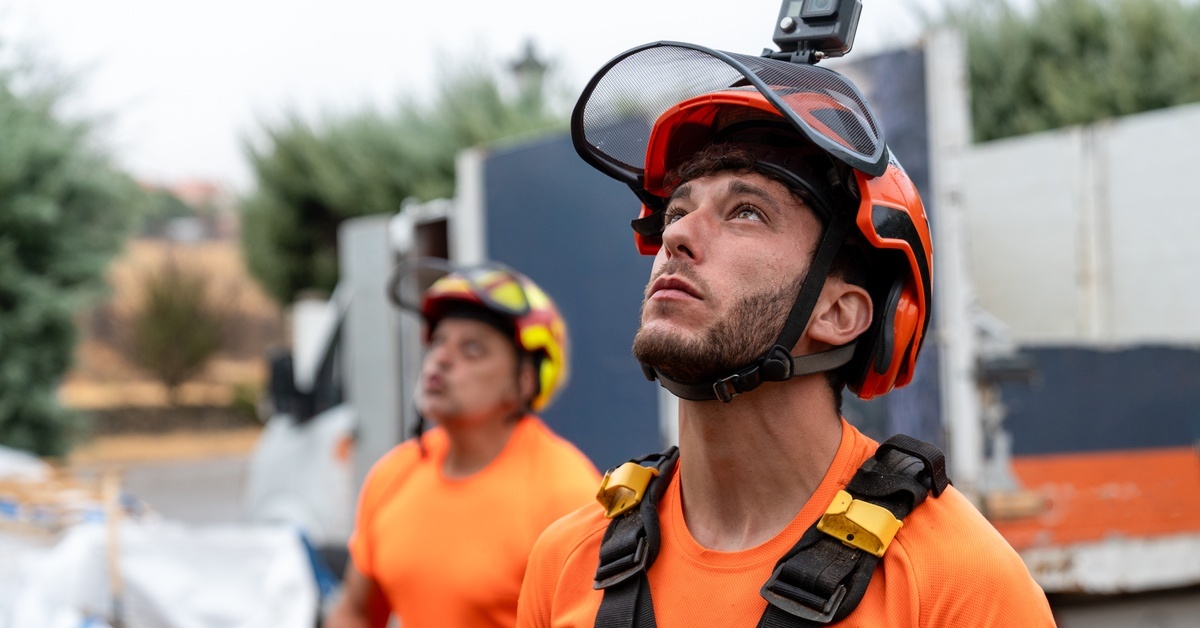
Your head is your command center, so protecting it is an absolute must. Hard hats shield you from falling branches, tools, or debris that can come crashing down without warning. Look for helmets that meet ANSI Z89.1 standards and include a chin strap to keep them secure during climbs.
Many arborist helmets come with integrated face shields and ear protection, which saves you from juggling multiple pieces of gear. The more streamlined your setup, the easier it is to stay safe without feeling weighed down.
Eye Protection: Keeping Your Vision Clear
Sawdust, wood chips, and other flying debris are constant threats when you’re working with trees. Safety glasses or goggles protect your eyes from these hazards, which can cause serious injuries if they make contact. Choose eyewear with side shields and anti-fog coatings so you can see clearly in all conditions.
Additionally, consider polycarbonate lenses, which offer superior impact resistance compared to standard plastic. They’re lightweight, durable, and provide the kind of protection you need when operating chainsaws or chippers.
Hearing Protection: Saving Your Ears From Long-Term Damage
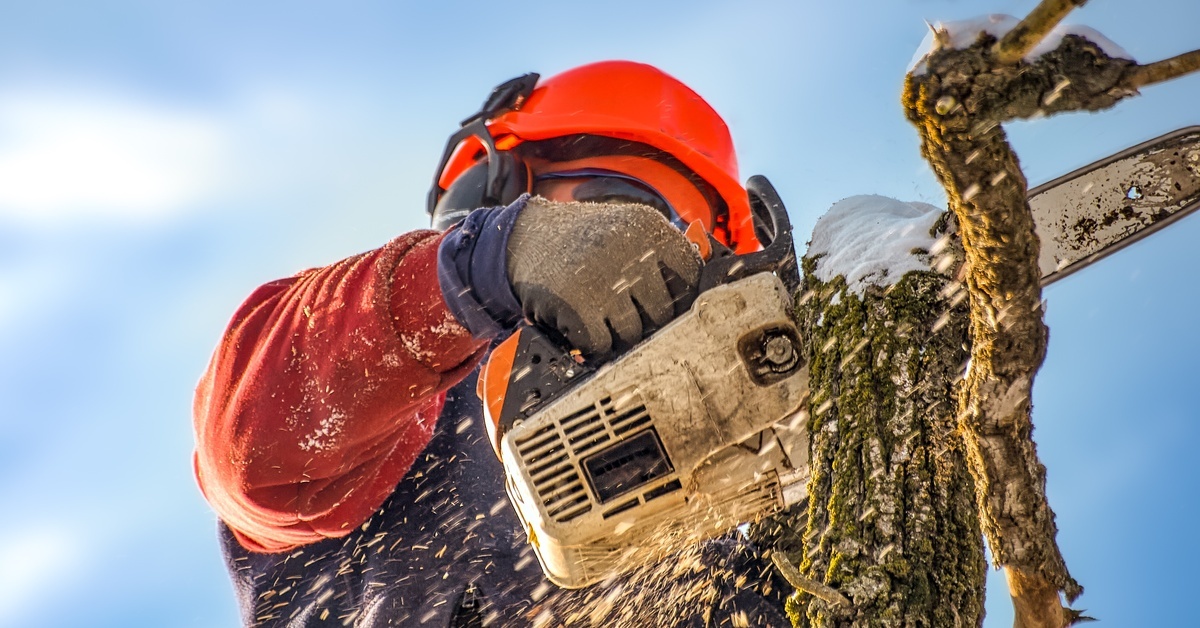
Chainsaws, wood chippers, and stump grinders create noise levels that can permanently damage your hearing over time. Prolonged exposure to sounds above 85 decibels puts you at risk, and most arborist equipment far exceeds that threshold. Protecting your hearing now prevents problems like tinnitus or hearing loss down the road.
Earplugs or earmuffs rated for noise reduction are essential. Or, as we mentioned, you might want to consider getting a helmet with built-in ear defenders.
Chainsaw-Resistant Chaps: Guarding Against the Worst
Chainsaws are incredibly efficient tools, but they’re also incredibly dangerous. One slip can result in a life-threatening injury. Chainsaw-resistant chaps are designed with layers of protective fibers that jam the chainsaw’s mechanism if contact occurs, stopping the blade before it cuts through to your leg.
These chaps should meet ASTM F1897 standards and cover your legs from waist to boot. They’re bulky, sure, but they could save your life. Wear them every time you fire up a saw.
Cut-Resistant Gloves: Keeping Your Hands Safe
Your hands are constantly exposed to sharp tools, rough bark, and abrasive ropes. Cut-resistant gloves provide a layer of protection against lacerations while still allowing for the dexterity you need to handle equipment safely.
Look for gloves with reinforced palms, knuckle protection, and materials like Kevlar or Dyneema. They should fit snugly without restricting movement, meaning you can grip tools securely and work efficiently.
Steel-Toed Boots: Protecting Your Feet from Heavy Impacts
Falling logs, dropped tools, and stumbling over uneven terrain all pose risks to your feet. Steel-toed boots with puncture-resistant soles protect against crushing injuries and sharp objects that can pierce through standard footwear.
Moreover, boots with good ankle support reduce the risk of sprains and provide stability on slippery or unstable surfaces. Waterproof options keep your feet dry when it’s wet out, which improves comfort and prevents blisters.
Headlamps: Illuminating Your Work in Low Light
Tree work doesn’t always happen during daylight hours. Early mornings, late evenings, or overcast days can leave you working in dim conditions where visibility is compromised. A reliable headlamp keeps your hands free while providing the light you need to see clearly.
Choose a headlamp with adjustable brightness levels, a comfortable strap, and long battery life. LED work headlamps are lightweight, energy-efficient, and bright enough to illuminate branches, tools, and rigging. Some models even offer red light settings to preserve night vision, which can be helpful when you work dusk or dawn shifts.
High-Visibility Clothing: Making Sure You’re Seen
Arborists often work near roads, construction sites, or other areas with vehicle traffic. High-visibility clothing makes it easier for drivers, equipment operators, and coworkers to spot you, reducing the risk of accidents.
Bright colors like orange or lime green, combined with reflective strips, increase your visibility in all lighting conditions. Vests, jackets, and pants designed for arborists should meet ANSI/ISEA 107 standards and fit comfortably over your other gear.
Gear Up, Stay Safe
Tree work demands respect for the risks involved. Every piece of essential PPE you wear reduces the chances of injury and keeps you protected from the hazards that come with the arborist job description. Hard hats, eye protection, hearing defenders, chainsaw chaps, gloves, boots, harnesses, rigging gear, headlamps, and high-visibility clothing all play a role in keeping you safe.
Don’t cut corners when it comes to safety equipment. Invest in quality gear from Monarch Rope, maintain it properly, and replace worn or damaged items before they fail. Your life depends on it.