
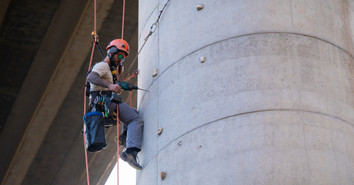
Rope access demands strength, precision, and constant awareness. Technicians often spend long hours suspended while performing inspections, maintenance, or installation tasks at height. When fatigue builds, concentration drops, reaction time slows, and small mistakes can lead to serious consequences.
Teams that work in industries like oil and gas, wind energy, telecom, and arboriculture rely on consistent performance throughout every shift. Workers must stay sharp while handling complex systems, coordinating with teammates, and navigating difficult vertical environments. Understanding how to manage physical and mental fatigue helps rope access professionals stay productive and safe during demanding operations.
Proper Physical Conditioning Builds Long-Term Endurance
Physical conditioning plays a major role in fatigue management. Rope access work requires repeated climbing, controlled descents, and static positioning while performing tasks. Without proper conditioning, muscles tire quickly and force the body to compensate with poor movement patterns.
Strong core muscles stabilize the body while suspended, allowing technicians to position themselves efficiently and maintain balance without excessive effort. Leg strength also reduces strain during ascents because powerful leg drive limits the load placed on arms and shoulders.
Cardiovascular endurance supports longer work periods. Rope access technicians often climb hundreds of feet during a shift. Workers who train for endurance maintain steady breathing, recover faster between movements, and sustain focus during extended tasks.
Efficient Techniques Reduce Physical Strain
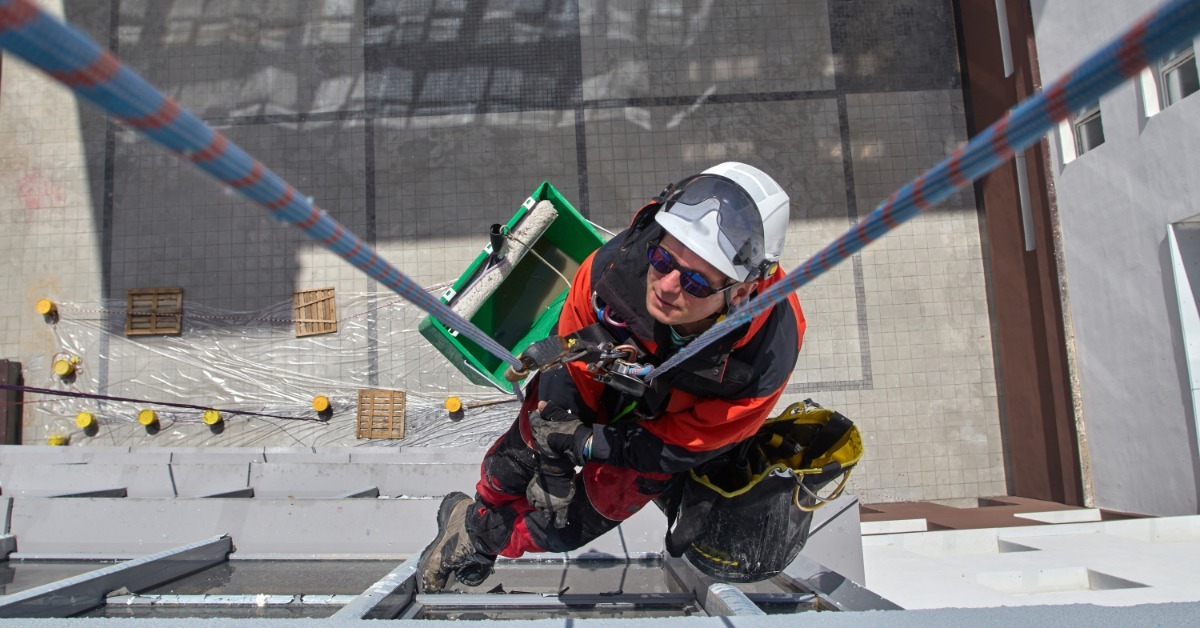
Poor technique drains energy quickly. Efficient rope movement conserves strength and allows technicians to complete tasks without exhausting themselves early in the shift. Experienced rope access workers rely heavily on leg power rather than arm strength during ascents. When technicians push upward through foot ascenders and maintain upright posture, they climb faster while using less energy.
Controlled body positioning also matters during work tasks. Hanging with locked elbows or twisting awkwardly forces muscles to support weight in inefficient ways. Instead, technicians should adjust their stance frequently and maintain neutral body alignment.
Work positioning systems and properly selected rope access equipment support these efficient movements and reduce strain during long periods on the line. Reliable gear allows technicians to shift positions smoothly and maintain stable working angles without fighting gravity or friction. Small improvements in technique often produce the largest reductions in fatigue.
Structured Work and Rest Cycles Prevent Performance Decline
Continuous work at height drains both physical energy and mental attention, which is why professional rope access teams structure work cycles intentionally. Instead of pushing through long uninterrupted tasks, they divide operations into shorter work segments followed by rest periods. These breaks allow muscles to recover and give the brain time to reset.
Even short pauses make a difference—5 to 10 minutes of rest allows technicians to stretch, hydrate, and relieve pressure from their harness systems. This recovery reduces stiffness and improves circulation before the next work segment begins.
Supervisors often coordinate rest cycles across the entire crew to maintain productivity while protecting safety. When every technician follows the same rhythm, teams avoid rushing or falling behind due to exhaustion.
Nutrition and Hydration Sustain Energy at Height
The body cannot perform without fuel, and rope access technicians burn significant calories during climbing and suspended work. Poor nutrition or dehydration accelerates fatigue and reduces concentration.
Workers should begin each shift with balanced meals that include complex carbohydrates, lean protein, and healthy fats. Carbohydrates provide immediate energy for climbing movements, while protein supports muscle endurance and recovery.
Hydration matters just as much as food intake. Even mild dehydration causes headaches, muscle cramps, and slower cognitive function. Those effects directly impact safety in high-risk environments. Technicians should carry water and electrolyte solutions whenever possible and drink consistently throughout the shift. Small, frequent snacks also help maintain steady energy levels.
Mental Focus Techniques Strengthen Awareness
Physical fatigue often triggers mental fatigue. As attention declines, technicians may overlook hazards or skip routine safety checks. Mental conditioning helps prevent this decline. Rope access professionals must train their focus just as intentionally as their bodies. Techniques such as controlled breathing, task segmentation, and deliberate pacing keep the mind engaged during repetitive work.
Breaking complex tasks into smaller steps also improves focus. Instead of thinking about an entire multi-hour job, technicians concentrate on one action at a time. This approach reduces cognitive overload and improves accuracy.
Communication within the team further supports mental clarity. Regular check-ins between technicians and supervisors help them identify signs of fatigue early. Maintaining strong awareness protects both individual technicians and the entire crew.
Proper Equipment Fit and Setup Minimize Physical Discomfort
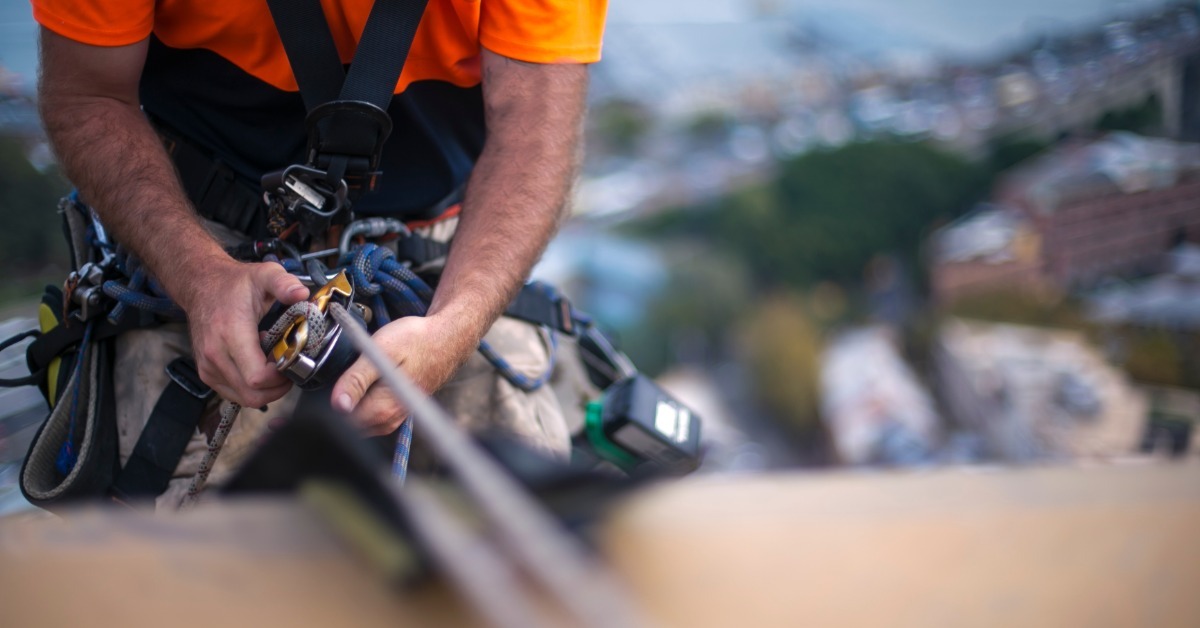
Proper equipment design is necessary for fatigue management. Poorly fitted harnesses, inefficient ascenders, or improperly configured systems force technicians to compensate with extra effort. Comfortable harness support distributes body weight evenly and reduces pressure points during suspended work. When technicians experience less discomfort, they maintain proper posture and avoid unnecessary muscle tension.
Rope system efficiency also affects energy expenditure. Smooth-running devices reduce friction and allow technicians to move with minimal effort. Even small improvements in mechanical efficiency reduce fatigue over the course of an entire shift.
Professional climbing equipment manufacturers continue to improve ergonomic design and safety performance to support demanding vertical work environments. Companies that supply equipment for rope access professionals understand that quality gear contributes directly to worker safety and productivity.
Strong Team Coordination Reduces Cognitive and Physical Workload
Rope access teams rely on coordination between technicians, safety supervisors, and ground personnel. Effective teamwork distributes workload and reduces fatigue for everyone involved. Clear role assignments eliminate confusion during complex operations. Each team member understands their responsibilities, which prevents duplicated effort and unnecessary movement.
Communication systems also support fatigue management. Radios, hand signals, and visual confirmations allow technicians to request assistance or adjustments quickly. Fast communication reduces stress and keeps tasks moving smoothly.
Fatigue Management Strengthens Safety and Productivity
Rope access work demands both physical strength and mental resilience. Long hours at height challenge even experienced technicians, especially when environmental conditions bring additional stress. However, fatigue does not need to become an unavoidable part of the job. Physical conditioning, efficient movement, structured rest cycles, proper nutrition, reliable equipment, and strong team coordination all play critical roles in maintaining performance.
When rope access technicians understand how to manage physical and mental fatigue proactively, they protect their health and improve operational safety. Crews that maintain energy and focus complete tasks more efficiently, avoid preventable mistakes, and maintain the high professional standards expected in industries that rely on rope access specialists.