
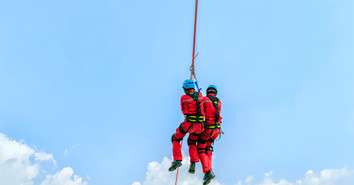
Imagine dangling hundreds of feet above the ground, suspended by a single line. The wind howls around you, muffling the radio chatter in your ear. Below, a victim waits for help, their safety entirely dependent on you and the crew managing your lifeline. In moments like these, technical skill alone isn’t enough. Success relies on the invisible thread that connects every member of the squad: teamwork.
Rope rescue operations are high-stakes environments where trust and coordination mean the difference between a successful mission and a catastrophic failure. While individual proficiency with knots, anchors, and mechanical advantage systems is fundamental, the ability to function as a cohesive unit transforms a group of skilled technicians into an effective rescue team. Every member, from the incident commander to the edge attendant, plays a vital role in the intricate dance of a technical rescue.
When we talk about rope access equipment, we often focus on a carabiner’s tensile strength or a pulley’s efficiency. Yet, the strongest link in any system is the shared understanding and fluid communication between team members. Without it, even the most advanced gear becomes useless. Explore the necessary nature of teamwork in technical rope rescue, breaking down how communication, equipment management, adaptability, and preparedness come together to save lives.
Communication Protocols and Best Practices
Clear communication acts as the nervous system of any rescue operation. In the chaotic environment of a rescue scene, misunderstandings can lead to fatal errors. Effective teams establish and adhere to strict communication protocols before they ever reach a crisis point.
Standardized commands form the bedrock of this protocol. Terms like “up,” “down,” “stop,” and “slow” must have universal meaning across the team. Ambiguity has no place on a cliff edge or confined space entry. A command like “take up tension” needs to trigger an immediate, specific action from the haul team without hesitation or need for clarification. Teams often use a “call and response” method, where the receiver repeats the command back to the sender to confirm understanding. This simple loop prevents critical errors caused by wind noise or radio static.
Beyond verbal commands, non-verbal signals play a crucial role, especially when radios fail or noise levels make speech impossible. Hand signals, whistle blasts, and rope tugs provide backup layers of communication. A well-practiced team knows these signals intimately. For instance, a specific series of tugs on the main line might signal the litter attendant to stop immediately, while a different pattern indicates a need for more slack.
The “quiet rescue” concept also highlights a team’s maturity. In a quiet rescue, unnecessary chatter disappears. Only essential commands break the silence. This discipline allows the team leader to maintain situational awareness and ensures that critical instructions cut through the background noise. It creates a focused environment where every team member stays attuned to the task at hand, reducing cognitive load and preventing distraction-induced mistakes.
The briefing before an operation sets the stage for success. A thorough briefing outlines the plan, assigns roles, and identifies potential hazards. It gives every team member a clear mental map of the operation. Equally important is the debriefing afterward. Discussing what went right and what went wrong fosters a culture of continuous improvement. Honest feedback, delivered without ego, strengthens the team’s bond and refines their communication strategies for the next mission.
Gear and Equipment Management
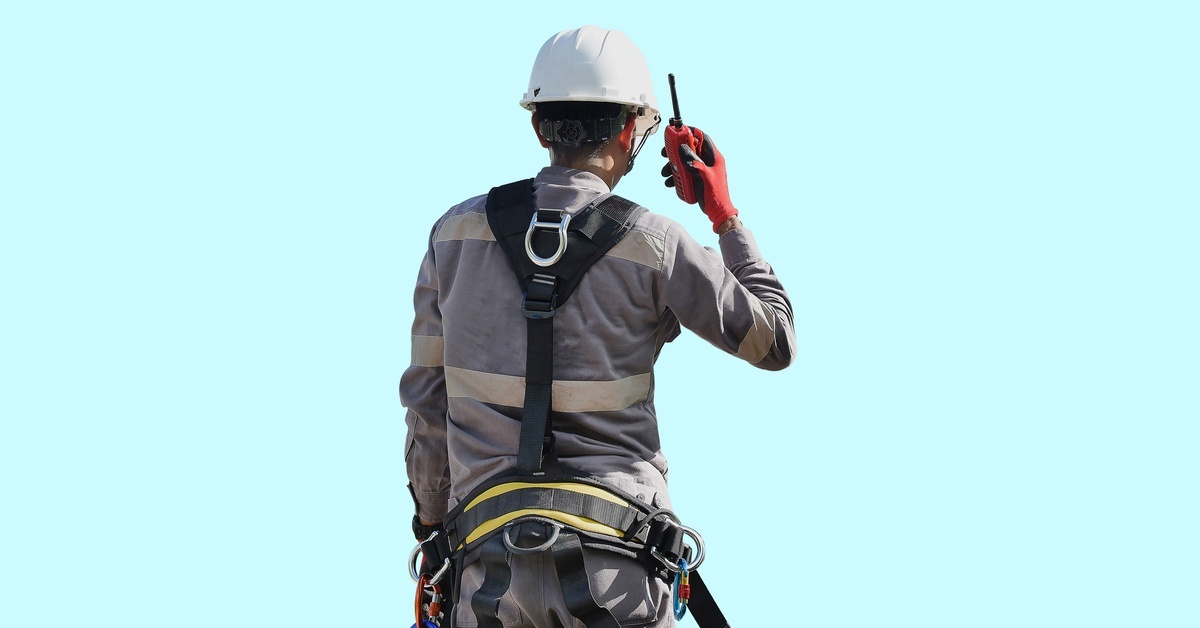
While a rescue relies on human connection, it operates through physical hardware. Managing this gear requires a collective effort that goes far beyond individual responsibility. A team that manages its equipment effectively moves quickly and precisely, while a disorganized team struggles with tangled lines and missing components.
Organization starts at the cache. When the call comes in, every team member should know exactly where to find the necessary kits. This familiarity stems from rigorous training and consistent equipment storage practices. Team members don’t just grab gear for themselves; they anticipate the needs of the entire operation. The rigger grabs the anchor kit and also checks that the rope bags are accessible to the haul team. This proactive mindset eliminates delays and keeps the operation moving fluidly.
During the rescue, gear management shifts to the “clean rig” principle. A cluttered workspace introduces hazards. Loose webbing can snag on rocks, and uncoiled ropes can create tripping hazards near the edge. Team members watch out for one another, manage rope tails, and organize hardware racks. If a rigger is focusing on building a complex anchor, another teammate might step in to organize the rope flakes, ensuring a smooth deployment. This seemingly small act of support prevents knots and jams that could halt the operation at a critical moment.
Cross-checking constitutes a vital safety layer in gear management. No knot, anchor, or harness connection should go unchecked. A “safety check” involves a teammate physically inspecting another’s work. They squeeze the carabiners to verify they are locked, trace the rope path through the descent control device, and pull on the anchor points. This signal isn’t about lack of trust; it’s about acknowledging human fallibility. Fatigue and stress degrade cognitive performance, increasing the likelihood of simple errors. A culture that mandates and welcomes cross-checks demonstrates a high-functioning team committed to safety.
Scenario Planning and Adaptability
No two rescues are identical. A plan that looks perfect on the whiteboard often disintegrates when faced with the reality of loose rock, panicked victims, or deteriorating weather. A high-performing team distinguishes itself through its ability to adapt dynamically to changing circumstances.
Scenario planning builds the mental library that teams draw upon during a crisis. By training for a wide range of possibilities, teams develop a shared understanding of “what if.” This training shouldn’t just focus on the “happy path” where everything goes right. It must include failure modes: a jammed device, a severed rope, or a medical emergency within the team. When a team practices recovering from these failures together, they build resilience. They learn to pivot quickly without succumbing to panic.
Adaptability requires a decentralized command structure within the team. While the Incident Commander holds the overall strategy, individual team members need the autonomy to make immediate safety decisions. If an edge attendant notices a sharp rock threatening the main line, they must feel empowered to call a “stop” and mitigate the hazard immediately.
Flexibility also means recognizing when a plan isn’t working. Sunk cost bias can be deadly. A cohesive team constantly evaluates the operation’s progress. If a haul system proves too slow or an anchor point shifts, the team needs the collective humility to pause, reassess, and change tactics. This change might mean switching from a raising system to a lowering system or relocating the entire operation.
Adaptability extends to role flexibility. In a small team, specialists might not always be available. A rigger might need to jump in on the haul line, or a medic might need to help manage the edge. Cross-training ensures that team members can step into different roles as needed. This versatility prevents bottlenecks. If the primary rigger becomes incapacitated or exhausted, the operation doesn’t grind to a halt because another team member can seamlessly take over the task.

Physical and Mental Preparedness
Technical rope rescue demands immense physical exertion and mental fortitude. Hauling a litter up a vertical face or managing a complex lower requires strength, endurance, and focus. However, preparedness is not just an individual pursuit; it is a team standard.
Physical fitness directly impacts team performance. A team moves only as fast as its slowest member. If one person struggles to hike the gear to the rescue site, it will delay the entire operation. Teams that train together physically build a shared baseline of fitness. They understand each other’s physical limits and strengths. This knowledge allows leaders to assign tasks effectively. You put the marathon runner on the litter carry out and the powerlifter on the haul team.
Mental preparedness is equally critical. The stress of a rescue can induce tunnel vision, auditory exclusion, and decision paralysis. Teams cultivate mental toughness through stress inoculation training. By simulating high-pressure scenarios with realistic complications, teams learn to manage their physiological stress responses together. They learn to recognize the signs of stress in their teammates—the quiet withdrawal or the frantic movement—and intervene before it compromises safety.
The Anchor of Success
In the vertical world, gravity is relentless, and the margin for error is razor-thin. That’s why teamwork is important in technical rope rescues. The seamless integration of clear communication, rigorous gear management, dynamic adaptability, and shared preparedness creates a safety net stronger than any rope.
When you trust the person on the brake, the person on the edge, and the person in command, you can focus entirely on your task. That focus saves lives. Investing in the team—building those bonds of trust and understanding—remains the single most effective way to prepare for the unknown challenges of technical rope rescue.