
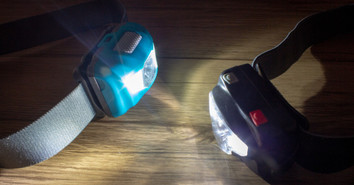
Reliable lighting drives productivity and safety in demanding work environments. Whether crews are climbing trees, inspecting structures, or working extended shifts in low light, the right headlamp options support precision and reduce risk.
Not every headlamp model meets professional standards, and small design differences can lead to major performance gaps in the field. Knowing what separates a dependable work headlamp from a consumer-grade option allows teams to make smarter purchasing decisions. Proper lighting also supports compliance with safety policies and reduces preventable incidents tied to poor visibility. Learn how to make the right gear choice with this ultimate guide to choosing a headlamp for work.
A Work Headlamp Improves Safety and Job Performance
A quality headlamp keeps hands free while delivering consistent illumination exactly where the user looks. This alignment matters when workers handle ropes, tools, and hardware at height. Poor lighting typically forces awkward positioning, slows task completion, and increases the chance of mistakes, while reliable illumination allows workers to maintain proper body mechanics while completing detailed tasks.
Professional environments demand more than basic visibility. Crews need lighting that supports situational awareness, highlights hazards, and performs without interruption. A well-chosen headlamp reduces eye strain, limits fatigue, and allows workers to maintain focus during long shifts. Clear lighting also improves communication when teams rely on visual cues during coordinated tasks, especially in noisy or low-visibility conditions.
Brightness and Beam Control Determine Usability on the Job
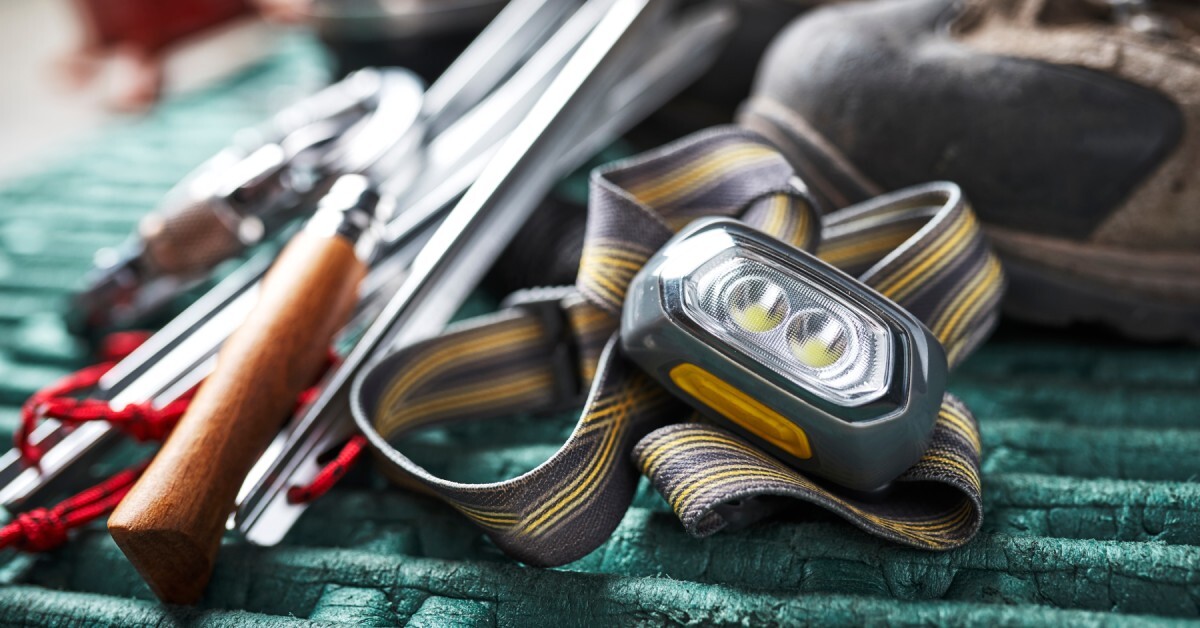
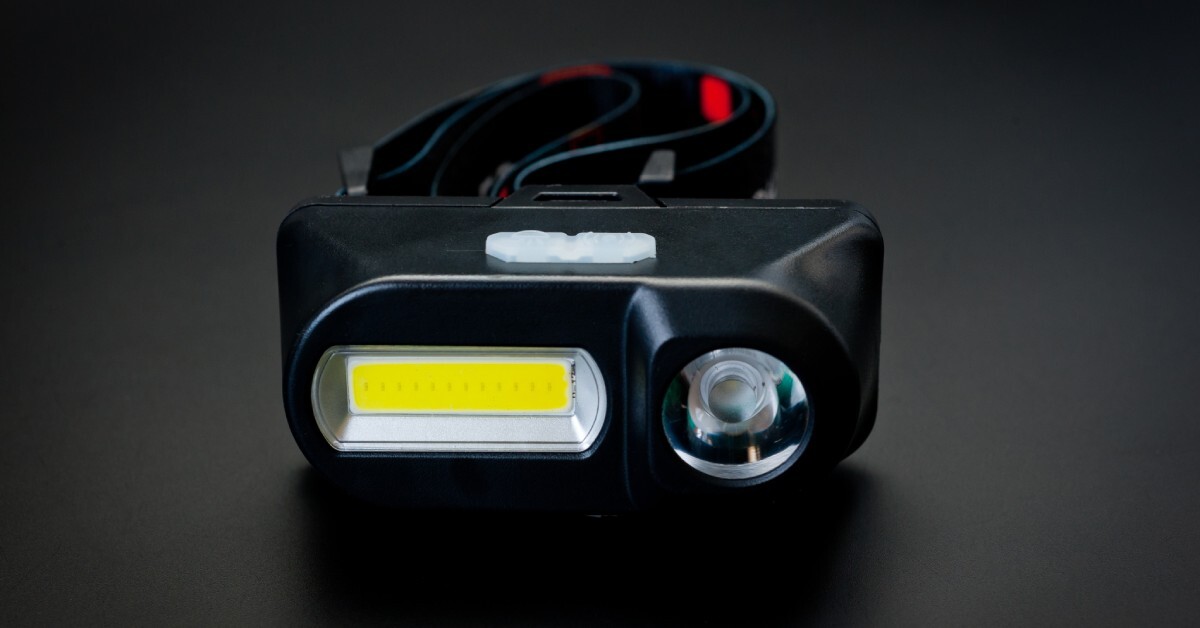
A headlamp’s lumens tell only part of the story. The brightness must match the task at hand, and the beam pattern will control how effectively that light reaches the work area. Flood beams support close-up tasks like knot checks or equipment inspection. Spot beams project light over greater distances for climbing trees or working on large sites. The ability to blend both beam types improves adaptability across varied job conditions.
Many professional headlamps offer adjustable beam settings. This flexibility allows workers to switch between detailed work and long-range visibility without changing equipment. Consistent output matters more than peak brightness, especially when crews rely on lighting for hours at a time. Regulated lighting prevents sudden drops that can interrupt critical work and compromise safety.
Power Options Affect Reliability and Long-Term Cost
Power supply plays a critical role in daily operations. Disposable batteries create ongoing costs and downtime, especially for crews working on remote sites. Rechargeable systems reduce waste and simplify logistics when teams must manage multiple devices. Fewer battery changes also reduce distractions during active work.
A rechargeable work headlamp supports predictable performance and faster turnaround between shifts. Many models now include USB charging, battery indicators, and regulated output that maintains brightness as power levels drop. These features help supervisors plan usage and avoid unexpected failures during critical tasks. Centralized charging stations further streamline equipment management and improve accountability.
Durability and Ratings Matter in Harsh Environments
Work sites expose gear to impacts, moisture, dust, and temperature swings. A headlamp must withstand those conditions without compromising performance. Look for impact resistance ratings that reflect real-world drops, not lab-only claims.
Durable housing protects internal components during routine handling and transport, while ingress protection ratings indicate resistance to dust and water. For outdoor and industrial work, a higher IP rating ensures reliable operation in rain, mud, or dusty conditions. The headlamp’s housing materials, lens quality, and sealed electronics all contribute to durability and replacement frequency, which directly affects operating costs.
Fit and Comfort Support Extended Wear
Comfort directly affects compliance. If a headlamp feels heavy or unstable, the worker will adjust it constantly or remove it altogether. Balanced weight distribution and adjustable straps help maintain a secure fit, even when the headlamp is worn with a helmet or other PPE. Stability becomes especially important during climbing or elevated work.
Many professional headlamps integrate with hard hats or climbing helmets, reducing pressure points and preventing slipping during movement. Over a full shift, a comfortable headlamp design helps workers stay focused on the task instead of the gear. Reduced neck strain due to proper fit also supports long-term worker health and endurance.
Task-Specific Features Increase Efficiency
Advanced features separate professional headlamps from entry-level models. These functions support real jobsite needs and improve workflows without adding complexity. The right features eliminate unnecessary adjustments and interruptions.
Consider these headlamp features that add value for demanding work:
- Multiple lighting modes for different tasks and environments
- Lock functions to prevent accidental activation during transport
- Glove-friendly controls for cold or hazardous conditions
- Tilt mechanisms that direct light without head movement
Each feature should serve a clear purpose. Easy-to-use interfaces speed up use and assist crews in the field, especially when they are under pressure.
Standards and Brand Reputation Signal Professional Quality
Reputable manufacturers design headlamps to meet established safety and performance standards. Certifications and compliance with industry benchmarks provide confidence in consistency and testing. Trusted brands invest in research, field feedback, and continuous improvement, which results in headlamps that perform reliably under real jobsite conditions.
Suppliers who specialize in work-at-height and industrial gear understand the realities of professional use. Their product selections reflect real job requirements, not recreational trends. This focus ensures headlamp compatibility with other PPE and alignment with safety protocols.
The Right Headlamp for the Job Ensures Better Outcomes
No single headlamp style fits every application—oil and gas operations, arborist crews, wind energy technicians, and telecom teams all face different lighting challenges. Evaluating job conditions, shift length, and environmental exposure allows workers to make the right lighting choice.
Procurement teams benefit from standardizing equipment across crews. This consistency simplifies equipment training, maintenance, and replacement. When every worker uses dependable lighting, operations run smoother and safer, especially during high-risk or time-sensitive projects.
Informed Selection Leads to Long-Term Value
This ultimate guide to choosing a work headlamp shows that the process requires more than comparing prices. Performance, durability, and usability determine real value over time. Equipment that lasts longer and performs consistently reduces downtime and replacement costs while improving productivity.
Professionals who invest in the right lighting support safer worksites and more efficient crews. The ideal headlamp becomes an essential tool and supports the high standards demanded in industrial and at-height environments.