

Tree care professionals rely on skill, training, and dependable equipment every day. While ropes, harnesses, and hardware receive plenty of attention, knot knowledge remains one of the most important aspects of safe and efficient climbing. The right knot can secure a climber, manage a load, create an anchor point, or assist during a rescue situation.
For arborists, knot proficiency goes beyond memorization. Each knot serves a specific purpose, and understanding when to use it can improve productivity while supporting safe work practices. Whether you climb daily or supervise crews in the field, mastering these eight knots every professional arborist should know should remain a priority throughout your career.
The Bowline Creates a Reliable Fixed Loop
Few knots hold the reputation of the bowline. Arborists often use it when they need a secure loop that remains easy to untie after bearing weight.
The bowline creates a fixed loop at the end of a rope without tightening under load. That characteristic makes it valuable for attaching ropes to anchors, securing equipment, or creating temporary attachment points during rigging operations.
Many climbers appreciate this knot because it maintains its structure even after extended use. When tied correctly and backed up according to company procedures, the bowline offers dependable performance in demanding tree care environments.
The Running Bowline Excels During Tree Removal
When lowering limbs or securing sections of a tree for removal, arborists frequently use the running bowline. This variation combines the strength of a bowline knot with the functionality of a sliding noose. As tension increases, the knot cinches tightly around the load, making it especially useful when rigging branches and trunk sections.
Tree removal often requires quick adjustments in changing conditions. The running bowline allows crews to establish secure attachment points efficiently while maintaining control over the load throughout the operation.
The Blake’s Hitch Supports Traditional Climbing Systems
Although mechanical climbing devices continue to gain popularity, many arborists still rely on friction hitches. Among them, Blake’s Hitch remains a foundational knot.
This hitch allows climbers to ascend and descend while maintaining control of their position in the tree. It grips the rope under load and releases when adjusted properly.
Many training programs introduce Blake’s Hitch early because it teaches important rope management concepts. Understanding how friction hitches function helps arborists build stronger climbing fundamentals regardless of the equipment they eventually prefer.

The Double Fisherman’s Knot Forms Secure Rope Connections
At times, arborists need to join rope ends or create closed-loop systems. The double fisherman’s knot provides a dependable solution.
This knot generates exceptional holding strength and resists slipping under tension. Climbers commonly use it to construct friction hitch cords and closed loops used throughout climbing systems.
Because tree work places significant stress on equipment, secure rope connections remain essential. The double fisherman’s knot continues to serve as a trusted option across the industry due to its reliability and proven performance.
The Figure Eight Family Delivers Strength and Visibility
Many arborists recognize figure eight knots because of their straightforward appearance and strong holding characteristics. Several variations exist, including the figure eight follow-through and figure eight on a bight. These knots create secure attachment points and remain relatively easy to inspect visually.
A properly dressed figure eight allows supervisors and crew members to verify correct tying quickly. That visibility supports safer work practices when multiple climbers or ground personnel participate in a project. Whether attached to an anchor or integrated into a climbing setup, figure eight knots deserve a place in every arborist’s skill set.
The Clove Hitch Provides Fast Positioning Options
Speed matters during many tree care operations. The clove hitch offers a simple way to secure a rope temporarily while making adjustments.
Arborists often use this knot when positioning equipment, attaching tools, or creating provisional anchors. The knot forms quickly and adjusts easily before loading.
Despite its versatility, climbers should understand the limitations of a clove hitch. Certain applications require additional backups or alternative knots depending on anticipated forces and movement. Proper training helps workers determine when the clove hitch is the appropriate choice.
The Prusik Knot Adds Versatility to Climbing Systems
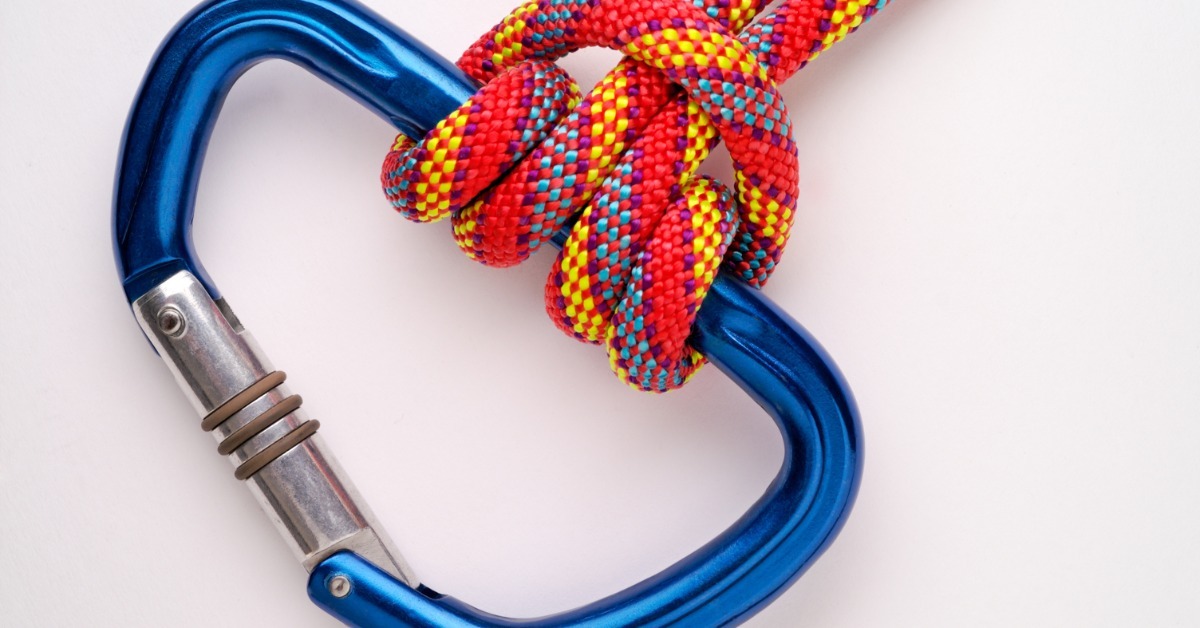
The Prusik knot remains one of the most versatile friction hitches available to arborists. Created with a smaller loop of cord wrapped around a larger rope, the knot grips when loaded and slides when unloaded. Arborists use Prusiks for ascending, backup systems, rescue scenarios, and load management applications.
A quality friction cord paired with an appropriate climbing system can dramatically improve efficiency in the canopy. When used with a properly selected arborist climbing rope, the Prusik provides a dependable method for controlled movement and positioning throughout the workday.
The Timber Hitch Handles Logs and Branches Efficiently
Moving wood safely requires specialized rigging techniques. The timber hitch offers a practical solution for attaching ropes to logs and large branches.
As tension increases, the knot tightens around the load. Arborists frequently use this hitch during lowering operations, log movement, and various rigging tasks associated with removals.
Its straightforward construction makes it easy to tie and untie, even after supporting substantial weight. That efficiency can save valuable time during complex tree care projects where multiple loads require movement throughout the day.
Consistent Practice Builds Knot-Tying Proficiency
Knowing how to tie a knot differs from knowing when to use it. Professional arborists benefit from practicing knot tying regularly and reviewing applications for each knot within their climbing and rigging systems.
Consider focusing on these habits:
- Practice tying knots without visual references.
- Inspect knots after every tie-in.
- Review manufacturer recommendations for climbing systems.
- Participate in ongoing arborist training programs.
- Evaluate knots for proper dressing before loading them.
Routine practice improves speed, accuracy, and confidence while reducing the likelihood of errors in the field.
Strong Knot Knowledge Supports Safer Tree Care Operations
The discussion surrounding knots every professional arborist should know highlights a simple truth: knot proficiency remains a core skill for professional tree care work. From climbing and positioning to rigging and removals, each knot serves a unique purpose that contributes to efficient operations.
As equipment continues to evolve, rope management fundamentals remain just as important as ever. Arborists who invest time in mastering essential knots often perform tasks more efficiently and maintain greater control during demanding projects.
At Monarch Rope, we understand the importance of having dependable climbing and rigging equipment for working at height. That’s why we provide professional-grade ropes, connectors, pulleys, harnesses, and arborist gear designed for demanding applications. If you’re looking to upgrade your climbing equipment or support your crew with reliable products, explore our selection and find the solutions that fit your operation.