
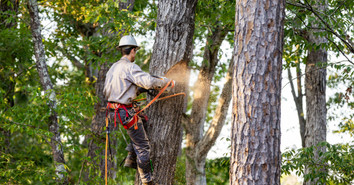
Every climb starts long before your boots leave the ground. The equipment you choose affects your comfort, movement, efficiency, and safety throughout the workday. Few pieces of gear matter more than your harness because it supports your body during climbing, positioning, and extended periods aloft.
Professional arborists face unique demands that differ from many other work-at-height industries. Tree climbing requires frequent repositioning, dynamic movement, and the ability to carry tools while maintaining mobility. A harness that fits those demands can reduce fatigue and improve productivity throughout every job. If you are evaluating your options, these tips for choosing an arborist climbing harness will help you compare features and identify the qualities that matter most before making an investment.
Proper Fit Leads to Better Performance Throughout the Workday
A climbing harness should fit securely without restricting movement. An improper fit creates pressure points, reduces mobility, and increases discomfort during long hours in the canopy. Every manufacturer sizes harnesses differently, so avoid relying solely on standard clothing sizes. Instead, compare waist and leg measurements with the manufacturer’s sizing chart before purchasing.
Adjustable leg loops and waist belts provide flexibility for seasonal clothing changes and allow you to customize the fit for maximum comfort. A properly adjusted harness stays in position while climbing without shifting or creating unnecessary pressure. Because every arborist has a different body type, trying on several models often leads to a better long-term decision than selecting the first harness that appears suitable.
Suspension Comfort Reduces Fatigue During Long Climbs
Tree work often requires extended periods in suspension while pruning, rigging, or inspecting trees. A harness that feels comfortable on the ground may perform very differently after several hours in the canopy. Padding should provide support without creating excessive bulk, and well-designed waist belts distribute weight evenly while maintaining freedom of movement.
Leg loops deserve equal attention. Narrow straps may feel acceptable during short climbs but can become uncomfortable during prolonged suspension. Wider, ergonomic padding often provides better pressure distribution for demanding jobs. When comparing models, evaluate how the harness supports your body during both climbing and work positioning instead of focusing only on overall weight.
Tool Organization Improves Efficiency While Climbing
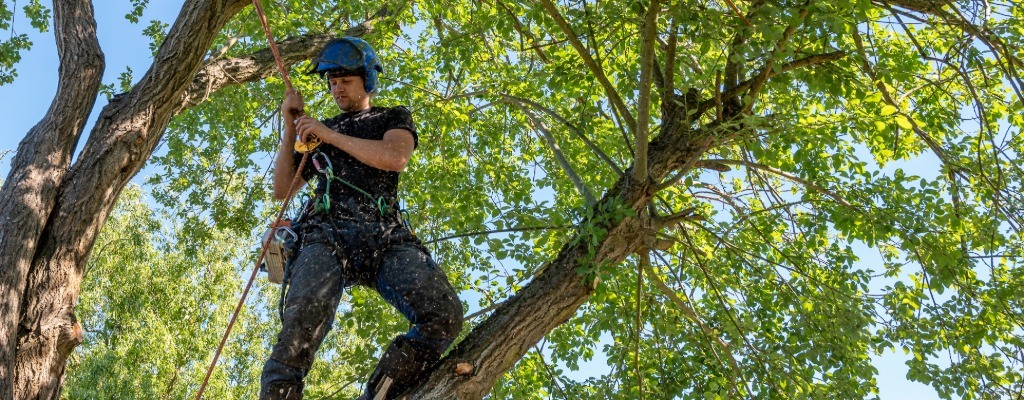
Professional arborists carry numerous tools throughout the day. A harness should keep equipment organized while allowing easy access without interfering with climbing movement.
Look for features such as:
- Multiple gear loops for organizing climbing equipment
- Dedicated attachment points for chainsaw lanyards
- Accessory loops that accommodate additional storage options
- Clearly positioned hardware that remains accessible during movement
Good organization reduces unnecessary reaching and minimizes time spent repositioning equipment while working in the tree. An effective layout also decreases clutter around your climbing system. If you frequently carry specialized equipment, verify that the harness accommodates your typical workload before making a purchase.
Bridge Design Supports Better Movement in the Canopy
The bridge connects your climbing system to the harness and directly affects mobility while working. Different bridge materials and lengths influence how freely you can move around branches and reposition during climbing. Some arborists prefer rope bridges because they offer greater flexibility, while others select designs that emphasize durability or simplified replacement.
An arborist climbing harness should allow smooth movement through various climbing techniques without creating unnecessary resistance. Many professional harnesses include replaceable bridges, extending the service life of the harness and simplifying routine maintenance. When comparing harness models, consider both replacement availability and the ease of installing new components according to the manufacturer’s recommendations.
Attachment Points Should Match Your Climbing System
Every arborist develops preferred climbing methods over time. Your harness should complement those techniques rather than forcing adjustments. Evaluate the placement of side D-rings, front attachment points, and work-positioning connections, as their location influences comfort while using lanyards, positioning systems, and climbing devices.
Compatibility matters just as much as design. Before purchasing a harness, verify that your preferred climbing equipment integrates properly with the harness and complies with manufacturer recommendations. Reviewing the equipment as a complete system instead of individual components often leads to a better overall setup.
Durable Construction Extends Service Life
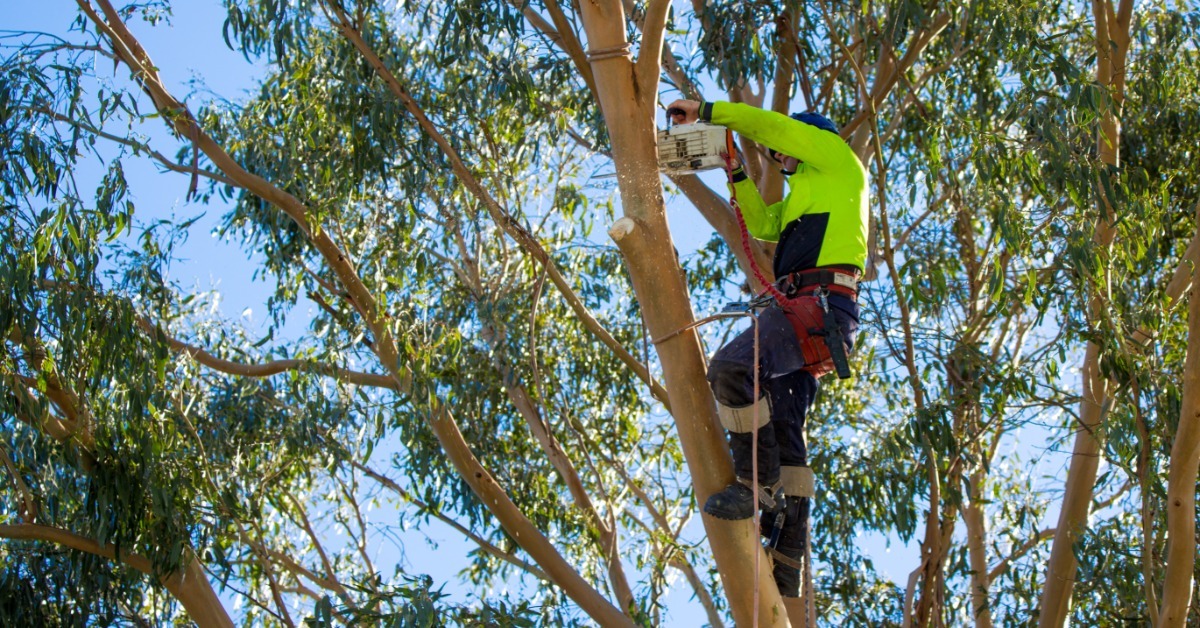
Professional tree work exposes equipment to abrasion, dirt, moisture, sap, and constant movement. High-quality construction withstands those conditions more effectively over time. Inspect the materials used throughout the harness; reinforced stitching, abrasion-resistant webbing, and durable hardware contribute to longer service life when maintained properly.
Hardware should operate smoothly without looseness or stiffness. Buckles should adjust easily while remaining secure during climbing. Although price often reflects quality, durability depends on thoughtful engineering and proper maintenance rather than cost alone. Regular inspections remain essential regardless of which harness you purchase.
Certification Standards Verify Professional Performance
Professional climbing equipment should always meet recognized safety standards. Certifications demonstrate that manufacturers have tested products against established performance requirements. Before making a purchase, confirm that the harness complies with applicable standards relevant to professional arboriculture and work-at-height applications.
Manufacturer documentation should clearly identify certification information along with inspection requirements, maintenance recommendations, and retirement criteria. Reading those materials before using new equipment provides valuable information that supports proper care throughout the product’s lifespan.
Long-Term Value Goes Beyond the Purchase Price
Price naturally influences buying decisions, but the least expensive option rarely delivers the greatest value for professionals who climb regularly. A harness that offers better comfort, durability, adjustability, and compatibility may reduce fatigue and remain in service longer than lower-priced alternatives. Over time, that combination often provides greater overall value.
When comparing products, think about how often you climb, the environments where you work, and the equipment you already own—those factors matter just as much as the initial purchase price. As you evaluate these tips for choosing an arborist climbing harness, remember that the best harness supports your workflow while remaining comfortable throughout demanding workdays.
At Monarch Rope, we understand what professionals expect from work-at-height equipment because our team has real industry experience. We carry high-quality climbing gear from trusted manufacturers and stand behind every product we sell with knowledgeable customer service. If you’re looking for the right harness or other arborist equipment, we’re ready to help you find solutions that match the way you work.