
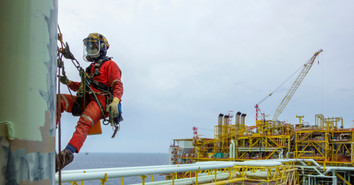
Working above ground level introduces risks that demand careful planning and the right protective gear. Whether you operate in the oil and gas, arboriculture, telecom, or industrial maintenance industry, your equipment choices directly affect outcomes on the jobsite.
At Monarch Rope, we understand how critical proper personal protective equipment (PPE) becomes when exposure to hazards remains constant. That’s why we prioritize equipment that meets evolving safety standards while holding up under real-world conditions. Our complete guide to PPE for working at height clarifies how these components support safety, compliance, and productivity in demanding environments.
PPE Selection Starts With Understanding Risk Exposure
Every job at elevation presents a unique set of hazards; you might face unstable surfaces, limited anchor points, environmental factors, or restricted movement. Before selecting any PPE, you need a clear understanding of these risks.
Ask yourself: where could a fall occur, and what would stop it? How will equipment interact with structures, tools, and movement patterns? When you answer these questions first, you can choose gear that supports safety and efficiency. A strong risk assessment shapes everything that follows.
Fall Protection Systems Form the Core of PPE
Fall protection remains the foundation of any PPE strategy for working at height. These systems do more than prevent impact—they manage force, positioning, and recovery. A complete system typically includes harnesses, connectors, lifelines, and anchor points. Each piece must work together seamlessly, as a mismatch between components can reduce effectiveness or create unnecessary strain on the worker.
You should also evaluate how the system performs under load. Does it distribute force evenly? Does it allow controlled movement without compromising security? These details matter in high-risk environments where consistency becomes essential.
Proper Harness Selection Improves Safety and Comfort
Harnesses serve as the central connection points in most fall protection systems. The right fit and design directly influence safety and long-term usability. A poorly fitted harness can shift during movement, create pressure points, or limit mobility. Over time, discomfort leads to fatigue, and fatigue increases the likelihood of mistakes.
Look for harnesses that support your specific type of work. For example, professionals who spend extended time suspended may need additional padding or support features. Adjustable components also accommodate different body types and clothing layers. And comfort should never come at the expense of security. Instead, the two must work together to support sustained performance.
Head Protection and Visibility Enhance Situational Awareness
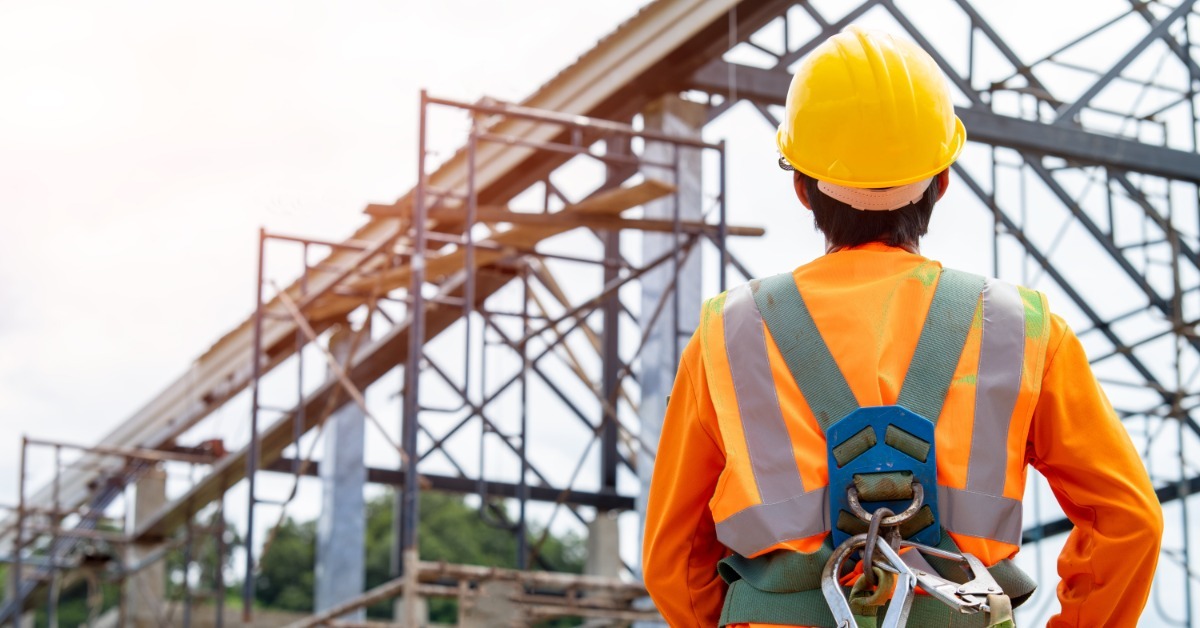
Working at height often limits visibility and increases exposure to falling objects. Helmets and lighting solutions address both concerns. Head protection must meet impact standards while remaining lightweight enough for extended wear. Secure chin straps prevent displacement during movement, especially when working in vertical or angled positions.
Lighting also plays a crucial role in low-light environments and during early morning operations. A rechargeable work headlamp provides consistent illumination without adding excessive bulk. This reliable visibility allows you to identify hazards quickly and maintain precision during complex tasks.
Rope and Connector Quality Determine System Reliability
Ropes, carabiners, and connectors form the backbone of load-bearing systems. Their performance directly affects safety outcomes. You should evaluate materials, load ratings, and compatibility before integrating components into your setup.
High-quality ropes maintain strength under repeated stress while resisting abrasion and environmental damage. Connectors must lock securely and operate smoothly under load, as any hesitation or inconsistency can slow down work and introduce risk. Consistency matters here. When every component performs as expected, you reduce uncertainty and maintain control throughout the task.
Additional PPE Supports Stability and Injury Prevention
Beyond primary fall protection, several PPE components contribute to overall safety and performance. These items often address secondary risks that still carry significant consequences.
Consider incorporating the following PPE:
- Gloves that improve grip and protect against rope burn
- Protective eyewear that shields against debris and environmental exposure
- Durable footwear designed for traction and support on uneven surfaces
- Lanyards that assist with positioning and controlled movement
Each item adds a layer of protection that complements your primary system. Together, they create a more stable and predictable working setup.
Inspection and Maintenance Keep PPE Effective Over Time
Even the best equipment requires regular inspection. Wear, environmental exposure, and repeated use gradually affect gear performance. You should establish a routine that includes visual checks, functional testing, and documentation. Look for frayed fibers, corrosion, deformation, or any sign of compromised integrity.
Maintenance also extends the life of your equipment. Proper storage, cleaning, and handling prevent unnecessary damage and ensure readiness for the next job. Neglecting inspection introduces avoidable risk, but staying proactive keeps your PPE reliable and compliant with safety standards.
Training and Proper Use Maximize PPE Effectiveness
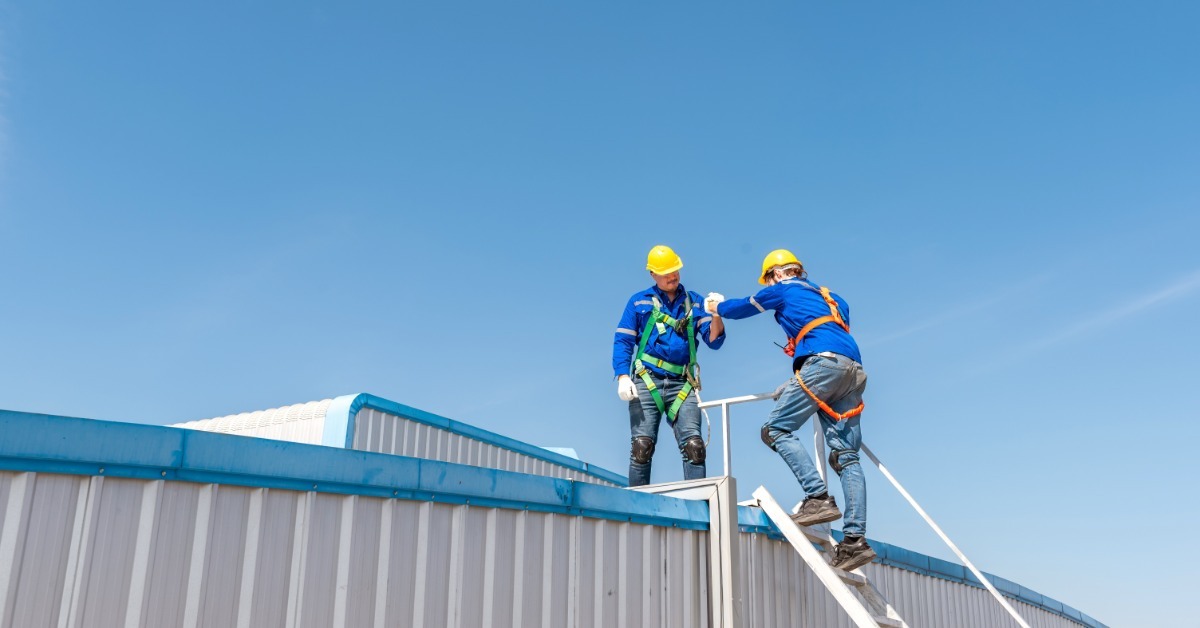
Equipment alone cannot guarantee safety. Workers must understand how to use their PPE correctly and consistently. Training should cover system setup, adjustment, inspection, and emergency procedures. It should also address real-world scenarios that workers may encounter on the job.
Clear communication reinforces these practices. When everyone on-site understands the expectations around PPE, coordination improves and errors decrease. You should also revisit training regularly. As equipment evolves and job requirements change, updated knowledge keeps teams prepared.
The Right PPE Supplier Strengthens Your Safety Strategy
Not all equipment providers offer the same level of expertise or product quality. Selecting a trusted supplier ensures you receive gear that meets performance and compliance standards.
At Monarch Rope, we focus on professional-grade equipment designed for demanding industries. We work with individuals who rely on their gear daily, and we prioritize durability, reliability, and up-to-date safety compliance in every product we offer.
PPE for Working at Height Emphasizes Preparation and Precision
Our complete guide to PPE for working at height highlights one essential truth: preparation drives performance. The right equipment, combined with proper training and maintenance, creates a system you can trust. When you approach PPE selection with intention, you reduce risk, improve efficiency, and support long-term success in the field. Every component matters, and every decision contributes to a safer working environment.
If you are ready to upgrade your gear or refine your system, explore our selection at Monarch Rope. We stand behind the equipment we provide, and we remain committed to helping you work safely at height.