

Wind energy technicians work in demanding environments where extreme heights, powerful electrical systems, and unpredictable weather create serious occupational hazards. Whether crews install new turbines or maintain existing equipment, every task requires careful planning and strict adherence to safety procedures. A single oversight can expose workers to dangerous conditions hundreds of feet above the ground.
This complete guide to safety for wind energy workers covers the essential precautions that protect technicians throughout their daily operations. Understanding these requirements allows wind energy companies to strengthen workplace safety while maintaining efficient operations.
Proper Training Establishes a Foundation for Wind Turbine Safety
Before technicians climb a wind turbine, they need specialized training that addresses the hazards associated with their responsibilities. General construction safety knowledge provides a starting point, but wind energy operations introduce challenges that require additional instruction.
Training programs cover tower climbing techniques, fall protection procedures, and emergency response protocols. Organizations such as the Global Wind Organisation (GWO) establish training standards that address common industry hazards. Employers must also evaluate workers’ qualifications before assigning specialized tasks, as electrical maintenance requires different competencies than mechanical repairs.
Regular refresher courses reinforce safe working practices and introduce updated procedures. Supervisors should document completed training and verify that employees understand the equipment they operate.
Fall Protection Equipment Reduces Risks During Tower Climbing
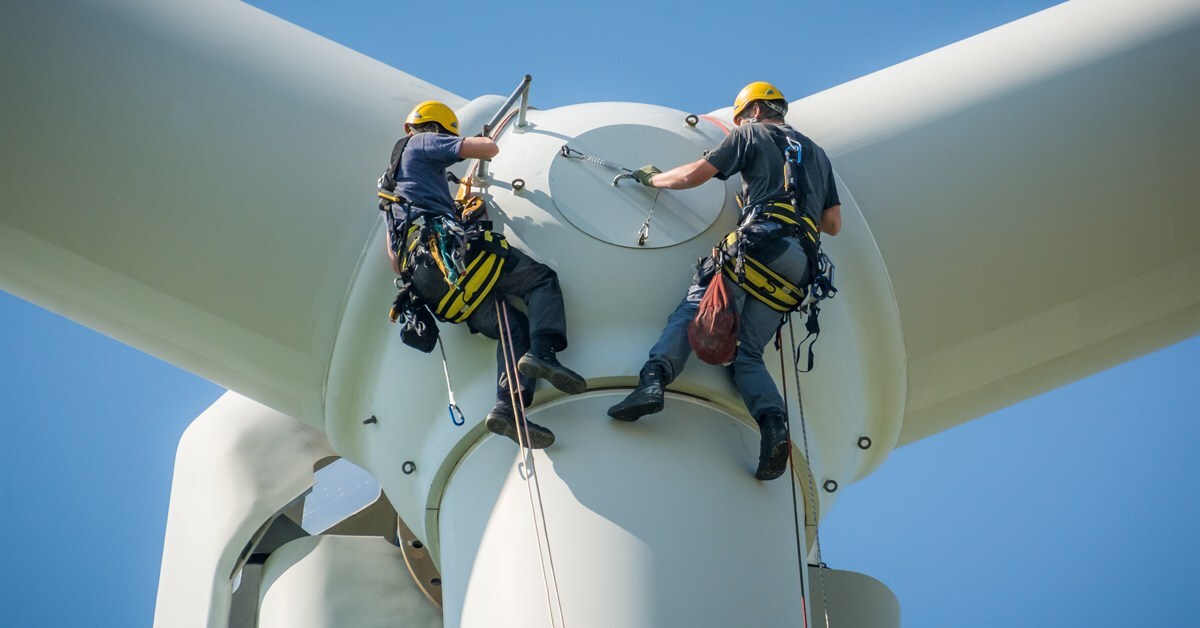
Working hundreds of feet above the ground makes fall protection essential during wind turbine maintenance. Technicians must use appropriate equipment whenever their work exposes them to fall hazards.
A properly fitted full-body harness provides protection during tower climbs when workers connect it to a compatible fall arrest system. Technicians must also understand how different components function together, as appropriate climbing rigging equipment supports controlled movement and secure positioning during elevated maintenance tasks.
Before beginning work, crews need to inspect their equipment for damage and confirm that each component meets manufacturer specifications. Equipment selection must account for the turbine’s climbing system and intended application. Employers should also establish clear replacement procedures because even minor damage can compromise equipment performance.
Weather Monitoring Prevents Dangerous Working Conditions
Wind turbines operate in environments that frequently experience strong winds and rapidly changing weather. Conditions that appear manageable at ground level can become significantly more hazardous near the nacelle, particularly during exterior maintenance.
High winds can interfere with climbing activities, while lightning presents another serious concern because turbine towers extend into exposed areas. Supervisors must establish weather-related work restrictions based on manufacturer guidance and site-specific risk assessments.
Before authorizing elevated work, crews should evaluate:
- Wind speeds and gust forecasts at relevant working heights
- Lightning activity and approaching thunderstorms
- Visibility limitations caused by fog or precipitation
- Ice accumulation on tower structures and access equipment
Weather monitoring must continue throughout the workday. When conditions exceed established limits, supervisors need to suspend affected activities rather than expose technicians to risks.
Electrical Safety Procedures Protect Workers From Hazardous Energy
Wind turbines contain electrical equipment that can expose maintenance personnel to shock and arc flash hazards. Technicians may encounter energized components inside nacelles, control cabinets, or power conversion systems.
Electrical maintenance requires strict adherence to applicable safety standards and established isolation procedures. Qualified personnel must identify hazardous energy sources before beginning work and follow lockout/tagout procedures to prevent unexpected equipment startup or energy release.
Electrical hazards can remain even after technicians disconnect primary power. Capacitors and other components may retain dangerous energy, making verification of a safe energy state essential. Employers provide task-appropriate protective equipment and establish restricted access procedures for electrical work areas. Clear communication between maintenance personnel and control room operators further reduces the likelihood of unexpected energization.
Routine Equipment Inspections Identify Hazards
Daily inspections allow wind energy crews to recognize equipment problems before those issues threaten worker safety. Harsh operating environments can accelerate wear on protective gear and mechanical components.
Technicians should examine harness webbing for cuts, damaged stitching, or chemical deterioration. Connectors require careful attention because damaged locking mechanisms compromise secure attachments. Ropes also demand regular evaluation, as abrasion or visible core damage indicates that a rope no longer meets safe operating requirements.
Inspection responsibilities extend beyond personal protective equipment (PPE). Crews should assess ladders and access platforms according to established maintenance procedures. Companies need documented inspection schedules that reflect manufacturer recommendations and applicable standards. Workers must immediately remove questionable equipment from service until a qualified person determines its condition.
Emergency Rescue Planning Improves Response Capabilities
What happens when a technician experiences a medical emergency inside a turbine tower? Emergency responders may face substantial delays when accessing elevated work areas, making advance preparation essential.
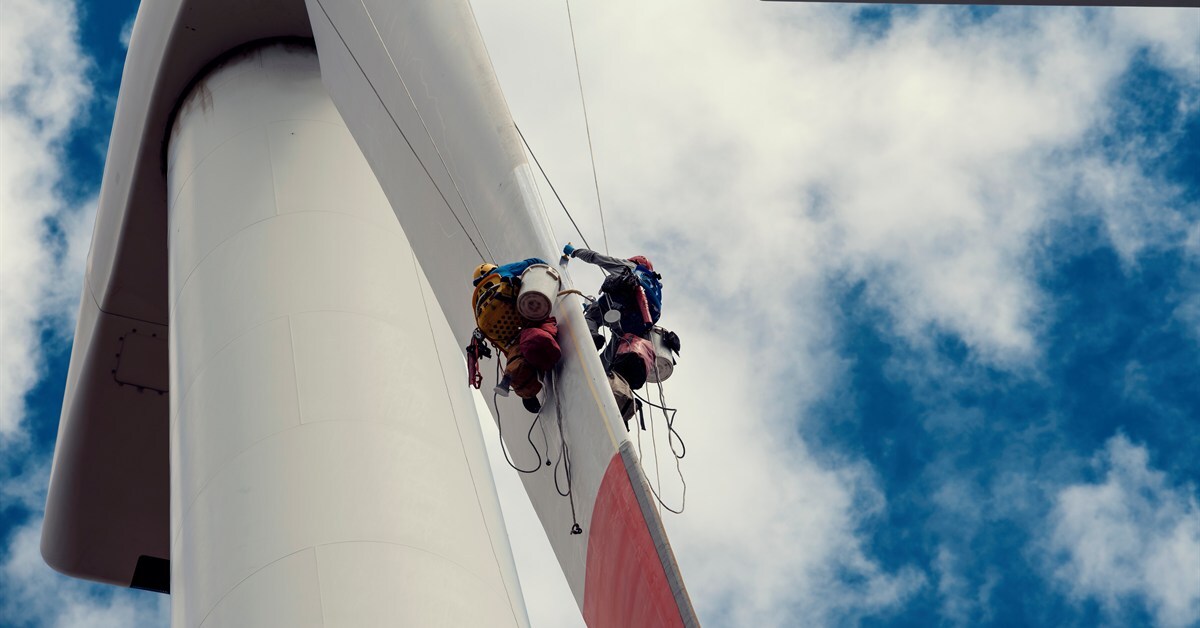
Every wind energy facility needs a rescue plan that addresses its turbine configurations and available personnel. Rescue procedures should account for restricted access points and potential difficulties transporting injured workers.
Designated rescue personnel require practical training with equipment suitable for the site’s specific conditions. Teams should conduct realistic exercises that evaluate communication and evacuation procedures. Rescue planning must also address suspension trauma following a fall arrest, as prolonged suspension can create serious medical complications. Employers need to coordinate with local emergency services to clarify response capabilities and establish communication protocols before an incident occurs.
Clear Communication Supports Safer Maintenance Operations
Effective communication becomes especially important when technicians work in separate areas of a turbine. Limited visibility and machinery noise can complicate coordination between personnel.
Crews should establish communication procedures before beginning maintenance activities. Radios or other reliable systems allow workers to report changing conditions and coordinate equipment operations. Pre-job briefings also give supervisors an opportunity to review planned tasks and identify potential conflicts between work groups.
During maintenance, technicians should immediately report unexpected hazards or equipment malfunctions. Clear stop-work authority allows employees to suspend activities when conditions threaten safety. Companies can strengthen communication by encouraging workers to report near misses and reviewing these incidents for weaknesses in existing procedures.
A Strong Safety Culture Protects Wind Energy Teams
Long-term safety performance depends on consistent leadership and employee participation. Written procedures provide direction, but everyday decisions determine how effectively organizations control workplace hazards.
Supervisors should regularly observe work practices and address unsafe conditions before incidents occur. Employees also need opportunities to raise concerns without fearing negative consequences. Safety performance reviews can reveal recurring problems that require additional training or procedural changes.
This complete guide to safety for wind energy workers emphasizes that reliable equipment and knowledgeable personnel must work together to reduce occupational risks. At Monarch Rope, we understand the demands of professional work-at-height environments. That’s why we supply professional climbing gear, fall protection equipment, and specialized hardware for crews operating in challenging industrial settings. Explore our equipment selection to find dependable solutions for your wind energy team’s safety requirements.