

Industrial rope access puts technicians in environments where sound judgment matters as much as physical ability. A worker may need to reach a tower component, inspect a structure, or perform maintenance hundreds of feet above the ground. Every movement depends on proper technique and a clear understanding of the system supporting the work.
The Society of Professional Rope Access Technicians, commonly known as SPRAT, provides certification programs that establish expectations for technicians working in these environments. The benefits of SPRAT training for rope access professionals extend beyond earning a certification. Training strengthens technical knowledge, reinforces safer work practices, and gives technicians a structured path for developing their careers.
Builds a Stronger Technical Foundation
Professional rope access requires more than knowing how to climb or descend a rope. Technicians need to understand how individual techniques fit into a complete access system and how their decisions affect safety. SPRAT training gives technicians a structured environment for developing those skills. Candidates practice rope access maneuvers while working within established procedures rather than relying on informal habits picked up on the job.
That foundation matters because rope access work can change quickly. A straightforward descent may become more complicated when the technician encounters an obstruction or needs to reposition around structural features. Strong fundamentals give technicians a better framework for evaluating what they encounter and choosing an appropriate technique.
Training also connects technique with equipment knowledge. Technicians need to understand how their rope access equipment functions within the larger system instead of viewing each component separately.
Reinforces Consistent Safety Practices
Consistency becomes especially important when several technicians work together at height. Each person needs to understand the procedures that govern the work and recognize when something falls outside accepted practices.
SPRAT training reinforces standardized methods that technicians can carry from one jobsite to another. Rather than creating procedures from scratch for every project, certified professionals share a common technical framework.
Training encourages technicians to think carefully about topics such as:
- Checking systems before beginning work
- Ensuring proper connection and equipment use
- Maintaining appropriate backup protection
- Communicating among team members
- Responding to unexpected conditions
These habits support a more deliberate work environment. Technicians still need to evaluate each site individually, but training gives them established principles that can guide those decisions.
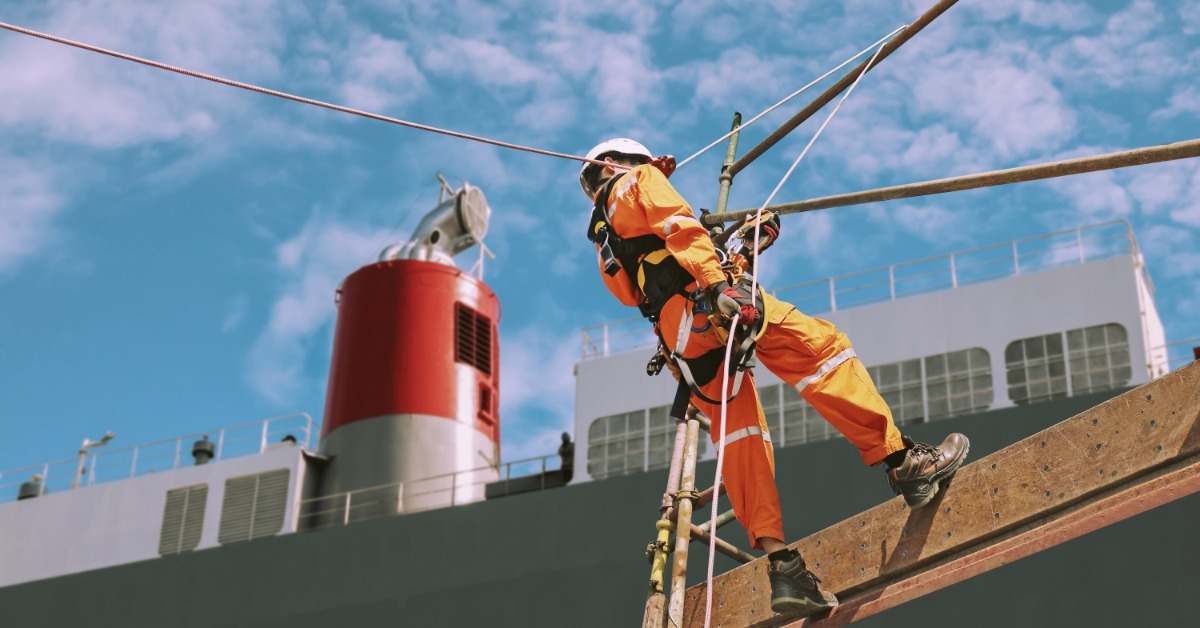
Gives Employers a Recognized Measure of Competency
Employers need practical ways to evaluate whether technicians have demonstrated the skills required for rope access work. SPRAT certification requires candidates to demonstrate knowledge and practical competency at the appropriate certification level. That process gives employers a recognized credential they can consider when staffing rope access projects.
Certification does not replace site-specific instruction or employer training. A technician still needs to understand the hazards, equipment, and procedures associated with a particular job. However, a recognized certification can establish a common baseline before project-specific preparation begins.
For contractors working across multiple facilities or industries, that consistency makes workforce planning more straightforward. Supervisors can better understand the general level of rope access competency a certified technician has demonstrated.
Develops Better Problem-Solving Skills
What happens when the easiest path to a work area becomes unavailable? Rope access technicians regularly encounter situations that require them to adapt while staying within established safety parameters.
SPRAT training develops problem-solving ability by requiring technicians to perform specific maneuvers and understand why those techniques work. The goal extends beyond memorizing a sequence of movements. A technician who understands the principles behind rope access systems can evaluate changing conditions more effectively. That knowledge becomes valuable when positioning is awkward or a task requires careful movement around an obstacle.
Structured training also teaches technicians to recognize their limits. Good problem-solving does not mean improvising without boundaries. It means assessing the situation, selecting an appropriate technique, and knowing when conditions require additional planning or support.
Prepares Technicians for Rescue Responsibilities
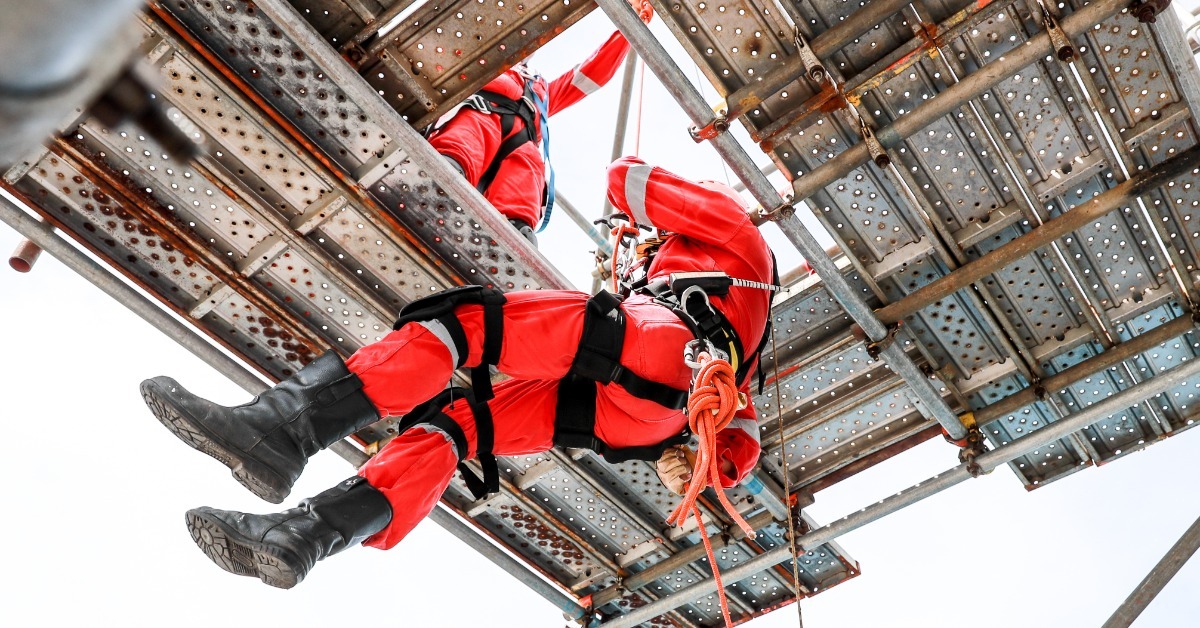
Rope access teams must consider what happens when a technician cannot leave the work area independently. Rescue preparation addresses that possibility before an emergency occurs. SPRAT training introduces rescue-related skills appropriate to each certification level. Technicians practice methods for managing situations in which another worker may require assistance while suspended or positioned at height.
Hands-on practice matters because rescue operations can place additional demands on both the rescuer and the system. A technician may need to manage another person’s weight while maintaining control of ropes and devices.
Training provides an environment where technicians can develop those skills systematically. Repetition also makes rescue procedures more familiar, allowing workers to focus on the conditions in front of them instead of encountering every technique for the first time during an emergency.
Creates a Clear Career Progression
Professional development becomes easier to plan when technicians can see a defined path forward. SPRAT’s certification structure provides progressive levels that reflect increasing experience and responsibility.
An entry-level technician begins by establishing fundamental rope access competency. As technicians accumulate qualifying experience and expand their technical abilities, they can pursue higher certification levels. That progression gives professionals measurable goals. Instead of treating rope access as a collection of unrelated jobsite skills, technicians can build knowledge over time and document their advancement.
Higher levels also reflect greater expectations for leadership and technical oversight. For someone who wants to take on more responsibility within a rope access team, continued training supports that transition.
Career progression benefits employers as well. Companies can develop technicians internally and create teams with an appropriate mix of experience rather than relying exclusively on outside hiring for advanced positions.
Improves Communication Across Rope Access Teams
Technical skill alone cannot keep a rope access operation organized. Team members also need to communicate clearly about systems, hazards, and planned movements. SPRAT training exposes technicians to shared terminology and established procedures. When workers understand the same concepts, they can communicate more efficiently during planning and field operations.
This becomes particularly valuable when technicians come from different companies or professional backgrounds. One person may primarily work on wind turbines while another has experience in industrial inspection. Shared rope access training gives them common ground for discussing the access system.
Clear communication also supports supervision. Team leaders need to explain plans, identify concerns, and confirm that technicians understand their responsibilities before work begins. Standardized training makes those conversations easier to structure.
Strengthens Long-Term Professional Development
The benefits of SPRAT training for rope access professionals continue after the initial certification process. The habits developed during training influence how technicians evaluate equipment, communicate with coworkers, and prepare for complex work.
Professional rope access rewards technicians who continue building technical knowledge. New projects introduce different structures and working conditions, while advancing responsibilities require a broader understanding of rope systems. A solid training foundation gives technicians a framework for continued growth.
Equipment selection remains part of that professional responsibility. At Monarch Rope, we provide professional climbing and rope access gear for teams that need dependable equipment for demanding work-at-height applications. Whether you are preparing for training, replacing worn components, or outfitting a professional crew, explore our selection of ropes, connectors, harnesses, and other work-at-height equipment for your next project.