
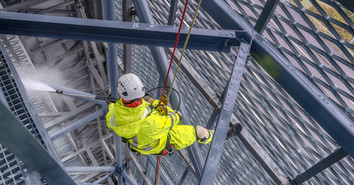
Industrial rope access demands precision, preparation, and constant awareness, as crews must work hundreds of feet above the ground while handling tools and environmental hazards that can shift throughout the day. Safety protocols protect workers from preventable incidents while keeping projects moving efficiently.
Equipment inspections, hazard assessments, rescue planning, and communication standards all shape the outcome of a job. Teams that prioritize best practices for safety during industrial rope access work reduce downtime, avoid equipment failures, and maintain compliance with industry regulations.
Thorough Hazard Assessments Reduce Unexpected Risks
Every rope access project presents different conditions. Wind exposure, sharp edges, unstable structures, electrical hazards, and weather changes create unique challenges that crews must address before work begins. A detailed site assessment gives technicians a clearer understanding of the environment and the equipment required for the task.
Supervisors should evaluate anchor locations, fall distances, swing hazards, and access points before workers rig systems. Crews also need to account for nearby machinery, suspended loads, and pedestrian traffic below the work zone. Small oversights often create larger safety concerns once technicians begin moving on rope.
Clear communication during pre-job meetings keeps everyone aligned on responsibilities and emergency procedures. Teams benefit from reviewing rescue plans, evacuation routes, and equipment assignments before ascending.
Equipment Inspections Prevent System Failures at Height
Rope access systems rely on equipment integrity. Damaged hardware, worn ropes, or improperly maintained devices create serious hazards during ascent, descent, and positioning tasks. Workers should inspect every component before each use rather than relying solely on scheduled inspections.
Technicians need to examine ropes for glazing, cuts, abrasions, or contamination. Carabiners should lock smoothly without visible deformation or corrosion, and harnesses require careful checks around stitching, attachment points, and webbing.
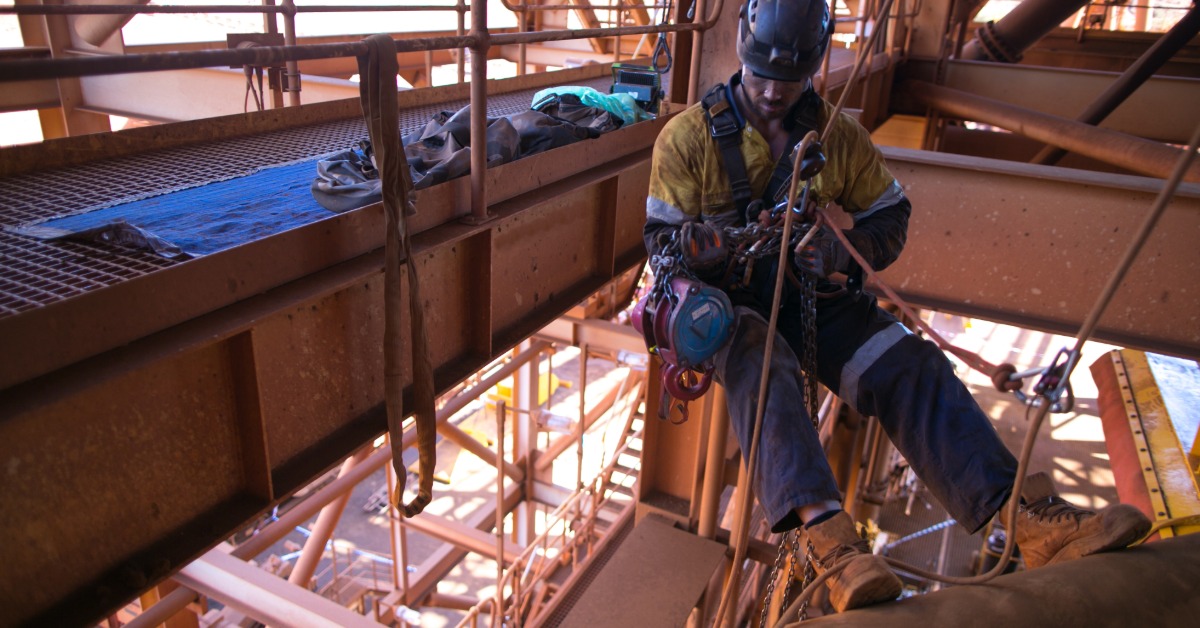
Crews working on hauling or rescue systems often incorporate a progress capture pulley to manage controlled movement and maintain tension during lifting operations. Proper setup and inspection of these devices remain critical because mechanical systems experience significant stress during use.
A strong inspection routine should include:
- Reviewing manufacturer guidelines for all equipment
- Removing damaged gear from service immediately
- Tracking inspection dates and equipment lifespans
- Verifying compatibility between system components
- Storing ropes and hardware away from moisture, chemicals, and UV exposure
Reliable equipment management strengthens overall jobsite safety while reducing avoidable interruptions.
Anchor Systems Must Match Job Demands
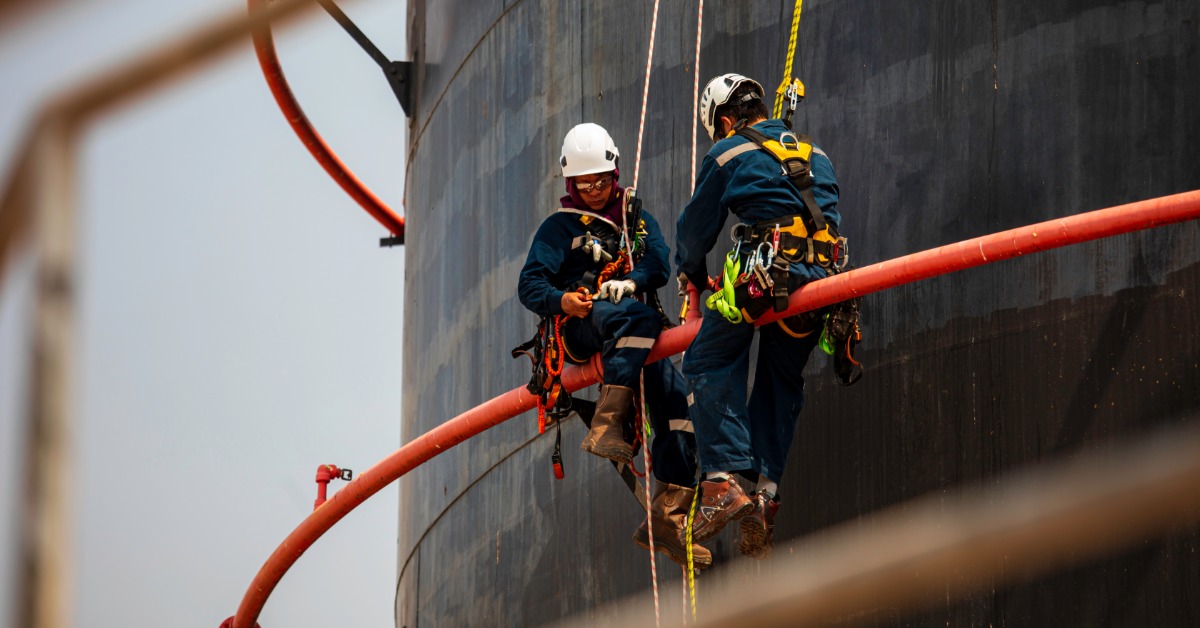
Anchor selection directly affects worker stability and fall protection performance. Technicians should never rely on improvised anchor points or structures that lack verified load ratings. Every anchor system must support the intended forces generated during work positioning.
Different industries require different anchoring strategies. Structural steel may provide secure options in industrial facilities, while telecom towers and wind turbines often require specialized anchoring methods. Workers should evaluate edge exposure, movement potential, and structural integrity before rigging lines.
Redundant anchor systems provide additional protection during rope access operations. Separate working and backup lines create an added layer of security if one system experiences failure. Proper spacing between anchors also minimizes rope interference and swing hazards during movement.
Weather Conditions Influence Every Stage of Rope Access Work
Environmental conditions can change rapidly at height. Wind gusts, lightning, rain, and temperature shifts affect worker movement and equipment performance, so rope access crews must continuously monitor weather conditions throughout the day instead of relying on forecasts from the start of a shift.
High winds can destabilize suspended workers and increase rope movement around edges or structures, while rain creates slippery surfaces that complicate positioning and climbing tasks. Cold temperatures stiffen ropes and reduce dexterity, and extreme heat increases fatigue and dehydration risks.
Supervisors should establish clear thresholds for stopping work based on weather conditions. Delaying a project may seem inconvenient, but continuing during unsafe conditions exposes crews to unnecessary danger. Strong safety cultures prioritize worker protection over rushed timelines.
Ongoing Training Strengthens Decision-Making in the Field
Technical knowledge alone does not create safe rope access parameters. Workers must also develop situational awareness, communication skills, and the ability to adapt under pressure. Ongoing training reinforces those abilities while keeping crews updated on evolving industry standards and equipment.
Hands-on rescue drills remain especially important; technicians should practice suspended worker recovery procedures regularly so they can respond quickly during emergencies. Delayed rescue efforts increase the risk of suspension trauma and other medical complications.
Training programs should cover equipment compatibility, hazard recognition, rigging techniques, and jobsite communication standards. Experienced technicians benefit from refresher courses because long-term familiarity sometimes leads to complacency. Companies that invest in continuing education often see stronger operational consistency across crews since better-trained teams identify hazards earlier and make more informed decisions during complex projects.
Clear Communication Keeps Crews Coordinated
Noise, distance, and limited visibility create communication challenges during industrial rope access work. Without clear communication systems, crews risk delays, rigging errors, and unsafe movement around active work zones.
Supervisors should establish standardized commands before work begins. Workers need to understand how to communicate during normal operations as well as emergency situations. Radios, hand signals, and verbal confirmations all support safer coordination between ground personnel and technicians at height.
Tool management also benefits from consistent communication practices, as dropped objects create major hazards on industrial sites, especially when multiple crews operate below suspended workers. Technicians should notify surrounding personnel before moving tools or repositioning equipment overhead.
Fatigue Management Improves Worker Awareness
Long shifts, physical strain, and environmental exposure place heavy demands on rope access technicians. Fatigue reduces focus, which increases the likelihood of procedural mistakes. Companies should treat fatigue management as a core part of workplace safety rather than a personal issue for workers to handle independently.
Scheduling practices influence worker performance significantly. Crews operating in extreme temperatures or high-exertion environments may require additional breaks throughout the day.
Supervisors should watch for signs of exhaustion, including slowed movement, poor communication, or reduced situational awareness. Addressing fatigue early prevents larger safety issues later in the shift.
Rescue Planning Determines Emergency Response Effectiveness
Every rope access project requires a site-specific rescue plan since emergency responders may not reach suspended workers quickly enough without trained onsite personnel prepared to act immediately. Fast, organized rescue procedures reduce the risk of prolonged suspension and secondary injuries.
Rescue planning should account for worker location, equipment availability, and environmental conditions. Teams need designated rescue personnel who understand the systems in use and can operate efficiently under pressure.
Equipment staging matters just as much as training. Rescue gear should remain accessible throughout the project rather than stored far from the work zone. Delays caused by disorganized equipment retrieval waste valuable time during emergencies.
Final Thoughts
At Monarch Rope, we provide professional climbing equipment like rope access systems, pulleys, descenders, harnesses, and PPE trusted by crews across oil and gas, telecom, arboriculture, and rigging industries. Our team understands the realities of working at height, which is why we focus on equipment built for professional performance and jobsite reliability.
Best practices for safety during industrial rope access work revolve around preparation, communication, equipment integrity, and ongoing training. Crews that commit to consistent safety practices create stronger jobsite performance while protecting workers in high-risk environments.