

Every rigging operation depends on a secure foundation. Even the strongest rope, hardware, and lowering device cannot compensate for a weak or poorly selected anchor point. Choosing the correct anchor affects load control, crew safety, equipment longevity, and overall efficiency on the jobsite.
Professionals across arboriculture, utility work, industrial maintenance, and rope access understand that anchor selection requires careful evaluation rather than guesswork. Different environments present different challenges, so every rigging plan should begin with a thorough assessment of available anchor options. Knowing how to choose an anchor point for rigging starts with understanding the forces involved before any equipment leaves the ground.
Anchor Strength Determines the Success of Every Rigging System
Every anchor must withstand far more than the anticipated working load. Static loads rarely tell the whole story because moving loads, shock loading, swinging material, and changing rope angles create additional forces throughout a rigging operation.
Professional standards generally recommend selecting anchors with significant safety margins beyond expected loads. A conservative approach reduces unnecessary risk and accounts for variables that may arise during tree cutting, lowering, or repositioning.
Natural anchors, structural steel, engineered anchor points, and mature trees each require different evaluation methods. Never assume an anchor can support a load simply because it appears large or substantial. Internal decay, hidden damage, corrosion, or structural defects can greatly reduce strength without obvious visual warning.
Load Direction Changes How an Anchor Performs
An anchor rarely experiences force from only one direction. Rope angles shift as crews lower material, redirect lines, or reposition loads. Those changing forces affect how the anchor absorbs stress.
Selecting an anchor that aligns with the intended direction of pull reduces side loading and minimizes unwanted movement throughout the operation. Poor alignment can introduce additional forces that place unnecessary stress on both the anchor and connected equipment.
When using arborist rigging rope, operators should consider how the rope path changes from the initial attachment through the final lowering sequence. Even small changes in rope direction can alter the forces acting on the anchor. Planning for anticipated movement before work begins creates a more predictable and controlled rigging system.
Visual Inspections Reveal Problems Before They Become Hazards
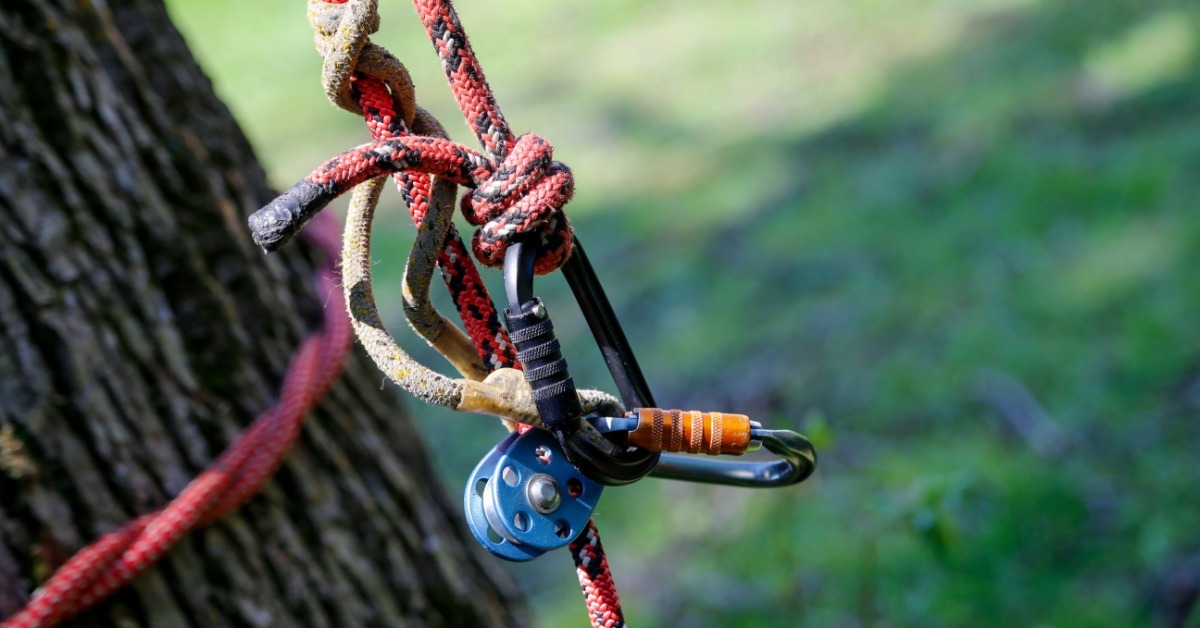
A careful inspection often identifies issues that would otherwise remain unnoticed until the system comes under load. Natural anchors deserve close attention because trees can conceal internal weaknesses beneath healthy-looking bark. Cavities, fungal growth, dead limbs, root damage, cracks, or excessive lean may indicate compromised structural integrity.
Engineered structures require similar scrutiny. Rust, deformation, loose fasteners, damaged welds, concrete deterioration, or previous impact damage all warrant further evaluation before use.
During every inspection, look for:
- Visible damage or deterioration
- Signs of movement or instability
- Proper alignment with the planned load path
- Adequate clearance around the rigging system
- Potential hazards that could contact the rope during operation
A few extra minutes spent inspecting the anchor often prevent equipment damage, costly delays, or serious incidents later in the project.
Anchor Placement Improves Efficiency Throughout the Job
The location of an anchor influences much more than strength alone. Proper placement improves rope management, worker communication, lowering control, and crew productivity.
An anchor positioned directly above or appropriately aligned with the intended work area typically creates smoother rope movement while reducing friction. Better rope travel results in more consistent lowering and easier handling for ground personnel.
Poorly positioned anchors frequently force crews to introduce additional redirects or make repeated adjustments throughout the operation. Every extra connection adds complexity, increases inspection requirements, and creates additional opportunities for error. Taking time during the planning stage to select the most practical anchor simplifies the entire rigging operation from start to finish.
Compatible Equipment Supports Reliable Anchor Performance
Even an exceptionally strong anchor cannot compensate for incompatible hardware or improperly matched components. Every connector, sling, pulley, and attachment point should match the anticipated loads while remaining compatible with the rest of the system. Hardware should sit correctly without cross-loading or creating sharp bends that reduce equipment performance.
Manufacturers publish working load limits and compatibility recommendations for good reason. Following those specifications keeps each component operating within its intended design.
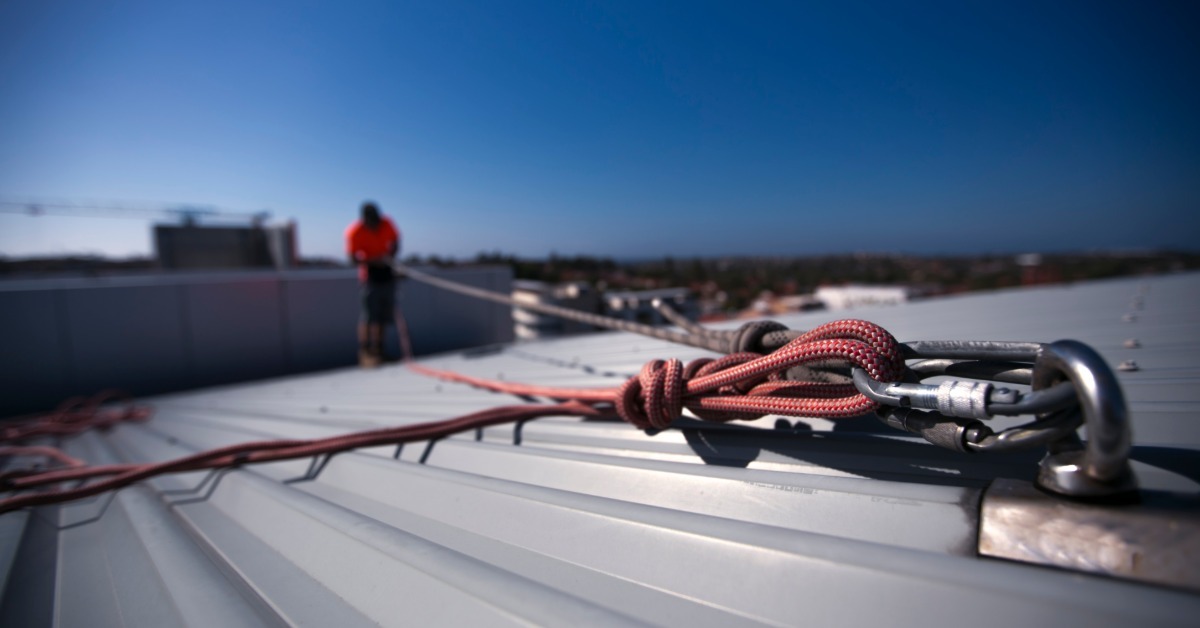
Professional crews must also inspect every connection before loading the system. Carabiners should lock completely, slings should remain properly positioned, and hardware should move freely without binding. A properly assembled rigging system performs more predictably because every component supports the overall design.
Environmental Conditions Influence Anchor Selection
Jobsite conditions often change throughout the day, affecting both anchor stability and rigging performance. Rain can reduce footing around natural anchors while increasing rope weight. Wind introduces additional movement into suspended loads, creating dynamic forces that require greater attention. Frozen surfaces, loose soil, saturated ground, and high temperatures each present unique considerations during anchor evaluation.
Nearby hazards deserve equal attention. Power lines, traffic, construction equipment, pedestrian access, and adjacent structures all influence where an anchor should be located.
Experienced crews continually reassess site conditions instead of relying solely on the original work plan. Ongoing evaluation allows for adjustments before changing conditions create unnecessary risk.
Communication Strengthens Every Anchor Decision
The strongest technical plan still depends on clear communication between everyone involved in the operation. Crew members should understand which anchor serves the system, expected load paths, emergency procedures, and individual responsibilities before work begins. Questions deserve discussion during planning rather than while a load hangs in the air.
Pre-job briefings create opportunities to confirm equipment compatibility, review anchor inspections, and identify changing site conditions. When everyone understands the rigging plan, operations tend to proceed more smoothly. Open communication also encourages workers to report concerns immediately if they notice movement, unusual sounds, equipment damage, or changing environmental conditions.
Continuous Evaluation Keeps Rigging Operations Safer
Anchor selection does not end once the first load leaves the ground. Every lowering operation provides additional information about how the system performs. Watch for anchor movement, shifting loads, changing rope angles, or signs of equipment wear throughout the job. Conditions that appeared acceptable during setup may evolve as material gets removed or work progresses.
Understanding how to choose an anchor point for rigging means recognizing that evaluation continues until the final piece reaches the ground. Ongoing observation allows crews to make informed adjustments before small concerns become larger problems.
At Monarch Rope, we understand the demands professionals face every day while working at height. That’s why we carry dependable ropes, anchors, pulleys, connectors, lowering devices, and other professional-grade equipment designed for demanding industries. If you’re building or upgrading your rigging system, we’re here to provide the quality gear and knowledgeable support you need for every job.