

Severe storms can turn an ordinary workweek into a demanding emergency response operation for tree care companies. Fallen branches block roads, damaged trees threaten structures, and property owners need immediate assistance. For professional arborists, storm cleanup requires more than technical climbing skills. Companies must organize their crews and maintain reliable equipment before dangerous weather arrives.
Understanding how tree companies can prepare for storm cleanup work allows business owners to respond efficiently while protecting their employees. A proactive plan also reduces operational delays when communities need tree removal services most.
Develop a Storm Response Plan
A successful storm response begins long before weather alerts reach your area. Tree companies should establish procedures that outline how crews will operate when severe conditions create an influx of service requests.
Start by identifying which employees will handle emergency calls and who will coordinate field operations. Establish communication expectations so every team member understands when to report for duty and where to receive assignments. Designate a central contact who can manage resources and communicate schedule changes when emergencies occur across different neighborhoods.
Your response plan should also account for disruptions to normal business operations, as power outages or blocked roads may prevent crews from accessing equipment storage facilities. Review procedures with employees before storm season and update them as your company expands its capabilities.
Inspect Climbing Equipment
Storm cleanup exposes arborists to unpredictable working conditions. Damaged limbs may shift unexpectedly, while compromised tree structures can create dangerous climbing environments. Regular equipment inspections allow crews to identify potential problems before entering hazardous work areas.
Pay particular attention to climbing ropes and fall protection equipment. Inspect tree climbing saddles for damaged stitching, excessive wear, or compromised attachment points. Follow manufacturer instructions when evaluating equipment condition to determine whether components require replacement.
Companies should establish a consistent inspection process that includes:
- Checking ropes for cuts, abrasion, and unusual stiffness
- Examining carabiners for proper gate operation and locking mechanisms
- Inspecting harness attachment points for wear or deformation
- Verifying that climbing devices operate according to manufacturer specifications
- Removing questionable equipment from service until a qualified person evaluates it
Document inspections according to applicable requirements and maintain accurate equipment records. These practices give crew leaders a clearer understanding of available gear before assigning emergency work.
Train Crews To Recognize Tree Hazards
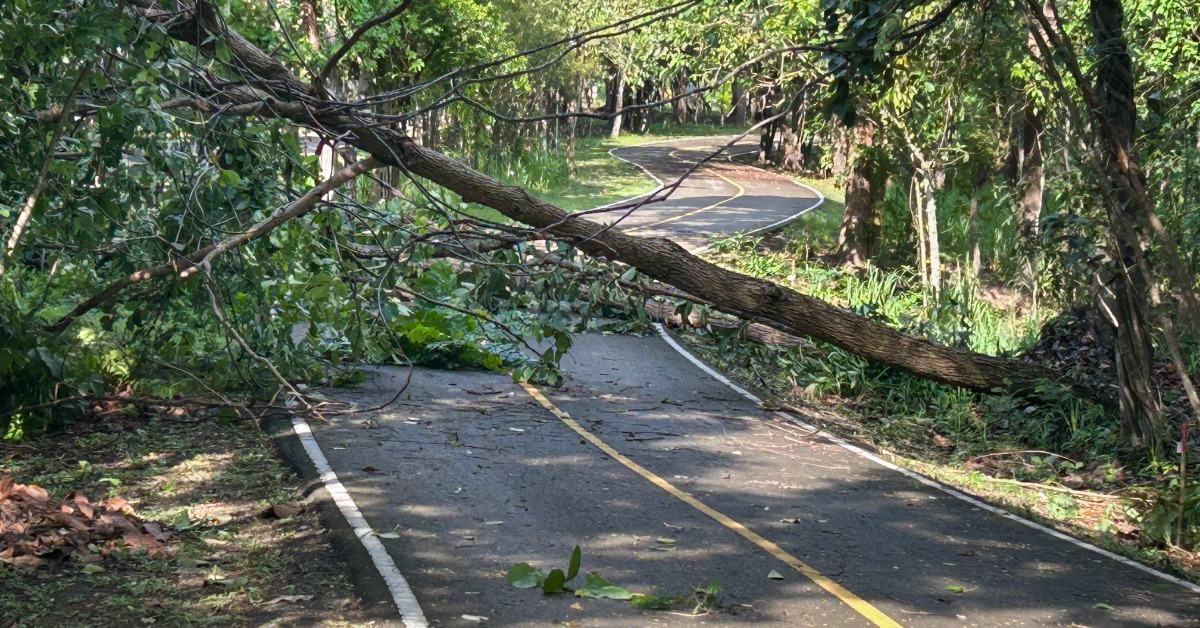
Storm-damaged trees present challenges that differ significantly from routine pruning operations. High winds can weaken structural connections, while falling debris may leave branches suspended under considerable tension. Crews must understand how these conditions affect tree stability before attempting removal.
Training should emphasize hazard recognition and sound decision-making. Arborists need to evaluate hanging limbs, split trunks, and damaged root systems from a safe position before selecting a work method.
Electrical hazards deserve particular attention because trees that contact utility lines require coordination with the appropriate utility provider. Crews should treat downed lines as energized and maintain required clearances, even when surrounding properties have lost electricity. Supervisors must also recognize when conditions exceed their team’s qualifications or available equipment. Delaying an operation until specialized personnel arrive can prevent serious incidents.
Organize Vehicles and Equipment
When storms affect an entire service area, transportation problems delay experienced crews. Preparing vehicles ahead of time reduces trips between jobsites and storage facilities. Inspect work trucks for mechanical issues and complete scheduled maintenance before severe weather arrives. Check tire condition and verify that emergency supplies remain accessible.
Equipment organization matters just as much as vehicle readiness. Assign designated storage locations for essential tools so employees can quickly locate what they need. Keep frequently used rigging equipment accessible without creating unsecured loads inside vehicles.
For larger operations, consider assigning equipment inventories to individual crews. This arrangement allows supervisors to identify shortages before dispatching teams to different locations.
Establish a System for Prioritizing Service Requests
Following a major storm, tree companies may receive more calls than their crews can immediately address. A structured intake process allows office personnel to evaluate requests without relying solely on the order in which customers contact the business.
Gather information about each situation, including whether a tree threatens an occupied structure or blocks critical access. Ask callers about nearby electrical lines and other visible hazards. Classify requests according to urgency and available resources. Situations involving immediate danger may require emergency services or utility personnel before tree crews begin work.
Administrative staff should communicate realistic response windows rather than promise immediate service to every customer. A centralized scheduling system allows dispatchers to track outstanding requests and assign crews as conditions permit.
Prepare Crews for Extended Working Hours
Emergency cleanup operations often require sustained physical effort. Workers may encounter heavy debris and difficult terrain throughout the day. Fatigue can affect judgment and coordination, particularly when employees face pressure to restore access to damaged properties.
Supervisors should establish reasonable work schedules and provide adequate recovery periods between demanding assignments. Monitor employees for signs of exhaustion and adjust workloads when necessary.
Weather conditions introduce additional concerns because cold temperatures reduce dexterity, while hot conditions increase the risk of heat-related illness. Maintain access to drinking water and appropriate protective clothing, and encourage employees to report physical limitations before fatigue compromises their safety.
Coordinate With Property Owners and Other Contractors
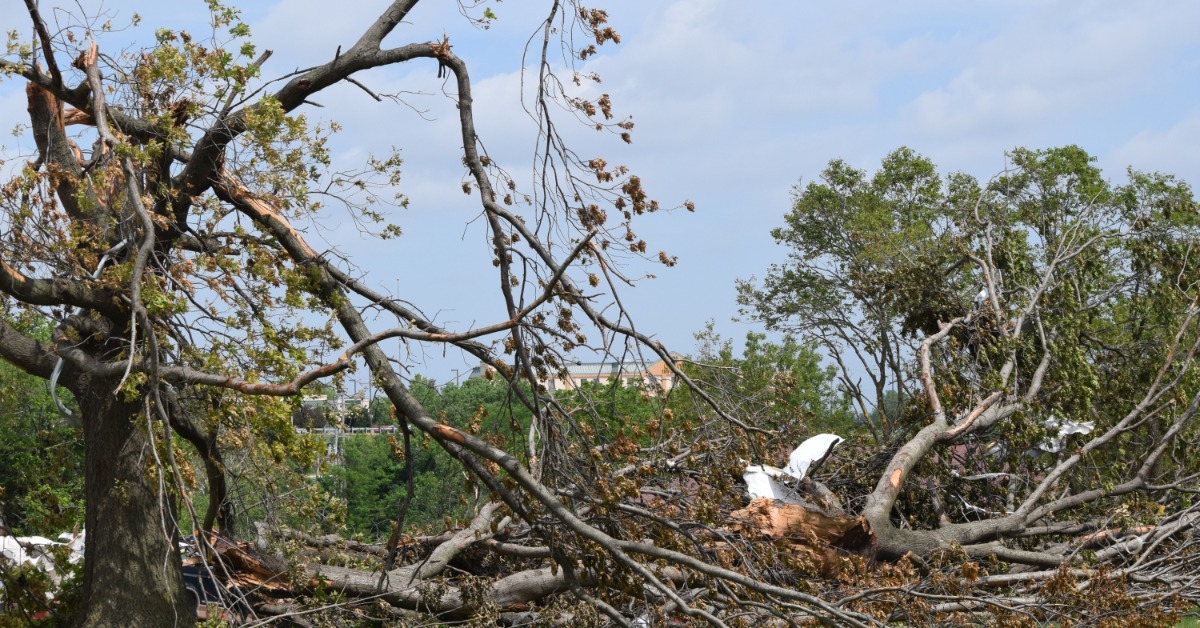
Storm cleanup frequently involves several parties working around the same damaged property. Tree removal crews may share limited access with roofing contractors or restoration professionals. Without coordination, overlapping activities create hazards and interfere with equipment movement.
Before beginning work, identify who controls the property and confirm the authorized scope of tree removal. Discuss potential access restrictions and determine whether other contractors need to complete preliminary tasks.
Explain how your crew plans to manage debris and identify areas that occupants should avoid during operations. Written agreements should clarify the services your company will perform, especially when customers request additional work after the initial assessment.
Maintain Reliable Suppliers and Replacement Equipment
Major storms can increase demand for professional tree care equipment across an entire region. Companies that wait until equipment fails may encounter shortages or unexpected delivery delays.
Evaluate your inventory before storm season and identify components that crews replace frequently. Maintain appropriate backup supplies based on equipment compatibility and expected workload.
Review Storm Cleanup Performance
Once emergency demand subsides, companies should evaluate how their preparation performed under actual working conditions. Schedule a meeting with crew leaders to discuss operational challenges, focusing on problems that affected response times or created safety concerns.
Review service records to identify dispatch delays and compare estimated project durations against actual completion times. Employee feedback may also reveal equipment shortages or communication problems that management overlooked. Use these findings to revise written procedures and establish improvements before the next storm season.
Build Long-Term Readiness for Storm Cleanup Operations
Knowing how tree companies can prepare for storm cleanup work involves building reliable systems that support crews under demanding conditions. Advance planning gives arborists more time to assess hazards and complete challenging removals without operational pressure.
Preparation should remain an ongoing business priority rather than an activity reserved for approaching storms. Consistent training and dependable equipment support safer operations when emergency demand increases, allowing tree care companies to maintain professional service standards throughout storm recovery.
At Monarch Rope, we understand the equipment demands that professional arborists face. That’s why we offer climbing ropes, harnesses, and professional rigging equipment for tree care operations. Explore our professional climbing equipment selection to prepare your crews for upcoming projects and equipment replacement needs.