
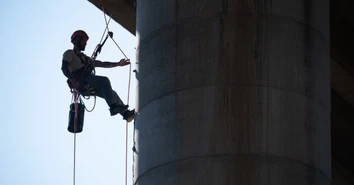
Industrial rope access technicians need specialized skills to work safely and efficiently at height. Certification gives technicians a structured way to develop those skills and demonstrate their competence to employers. Two organizations stand out in the industry: the Industrial Rope Access Trade Association (IRATA) and the Society of Professional Rope Access Technicians (SPRAT).
Both organizations offer respected certification programs, but they follow different requirements and may suit different career paths. When comparing IRATA versus SPRAT to determine which certification you should choose, consider where you plan to work, what employers require, and how you want to progress professionally.
IRATA Offers Strong International Recognition
IRATA originated in the United Kingdom and has developed a certification system with broad international recognition. Its qualifications follow the organization’s Training, Assessment, and Certification Scheme, or TACS. IRATA divides technicians into three levels based on their skills and experience.
That international presence makes IRATA attractive to technicians who want to pursue projects across different countries. Companies that hold IRATA membership must use IRATA-qualified technicians for rope access operations and require Level 3 supervision.
Technicians should still investigate the requirements of prospective employers before choosing a program. A certification’s value depends partly on whether companies operating in preferred markets request or accept it.
SPRAT Provides a Well-Established North American Path
SPRAT provides another widely recognized route into professional rope access. The organization has strong roots in North America, making its certification especially relevant to technicians pursuing work in the United States and surrounding markets.
SPRAT also uses three certification levels. Candidates complete an evaluation session that includes a written test and a performance-based test administered by a SPRAT-appointed evaluator. Training remains a requirement for initial certification at any level.
This structure gives technicians a defined method for demonstrating their knowledge and practical ability. SPRAT schedules certification sessions throughout the year and maintains information about training companies for candidates looking for opportunities to prepare and evaluate. For technicians who expect to build careers primarily in North America, SPRAT aligns closely with the employers and contractors they encounter.
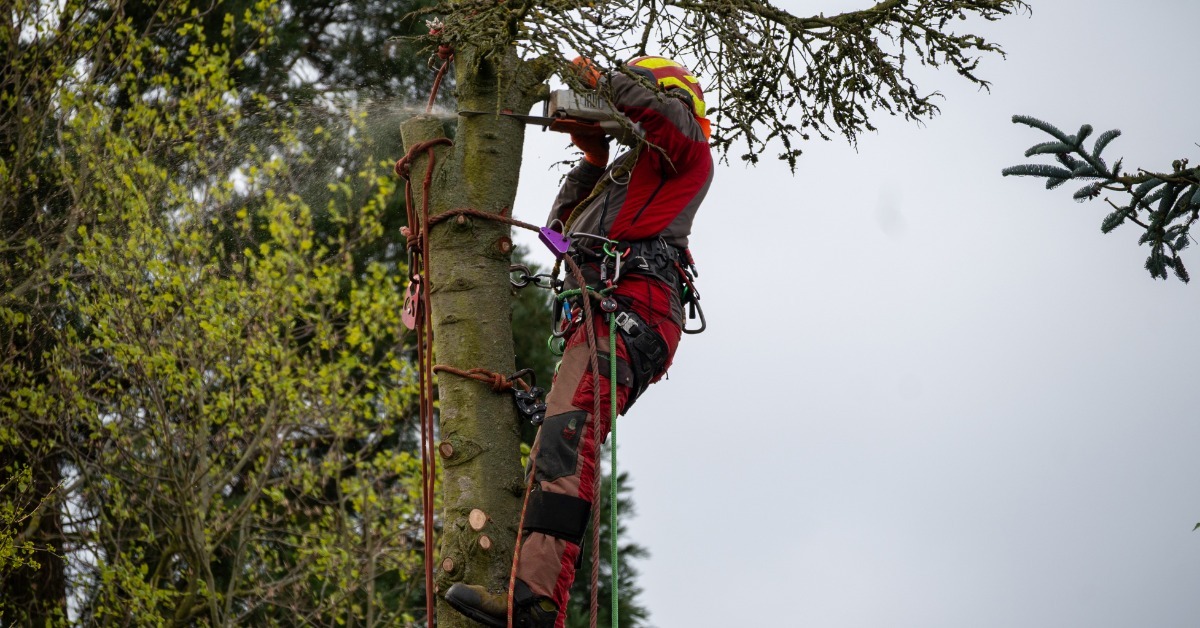
IRATA Uses a Structured Training and Assessment Model
Certification involves more than knowing how to move on rope. Technicians need to understand safe work systems, equipment use, rescue procedures, and the responsibilities associated with their certification level.
IRATA requires Level 1 candidates to complete approved training before an independent assessment. Its code of practice specifies a minimum four-day Level 1 training course followed by a one-day assessment. Level 1 technicians then perform defined rope access tasks under Level 3 supervision.
The levels increase in responsibility:
- Level 1: Technicians perform a specified range of rope access tasks under Level 3 supervision.
- Level 2: Experienced technicians add more complex rope access, rescue, and rigging skills while continuing to work under Level 3 supervision.
- Level 3: Technicians demonstrate advanced knowledge and can take responsibility for rope access safety on work projects when they have the necessary supervisory skills.
The progression gives technicians clear milestones as they build field experience.
SPRAT Offers Flexibility for Experienced Technicians
Career paths do not always follow a straight line. Some professionals gain substantial rope access experience under another recognized certification system before pursuing SPRAT credentials.
SPRAT provides a Direct Entry program for qualified technicians who developed rope access skills and experience outside the SPRAT certification program. Applicants must document qualifying experience and receive approval before evaluating at an upper level. That option can matter to experienced professionals who change employers, relocate, or need another credential to meet project requirements. It does not eliminate competency standards, as candidates still need to satisfy SPRAT’s eligibility and evaluation requirements.
Before pursuing direct entry, review the current documentation requirements and timeline carefully. SPRAT recommends submitting the required materials at least five weeks before the planned evaluation date.
Career Location Should Influence Your Certification Choice
Where do you expect your rope access career to take you? That question may provide the clearest starting point when comparing certification options.
IRATA’s global reach makes it a strong consideration for technicians pursuing international opportunities. SPRAT may make practical sense for professionals focused on North American employers. Some technicians eventually maintain credentials that fit multiple types of work.
Start by reviewing actual job postings and talking with employers in your target industry. Oil and gas contractors have different expectations than wind energy companies or telecommunications firms. A credential that matches the organizations hiring in your intended market provides more practical value than choosing solely on name recognition. Comparing IRATA versus SPRAT to determine which certification you should choose ultimately depends on the requirements of the work you want to perform rather than a universal ranking between the two programs.
Equipment Knowledge Supports Either Certification Path
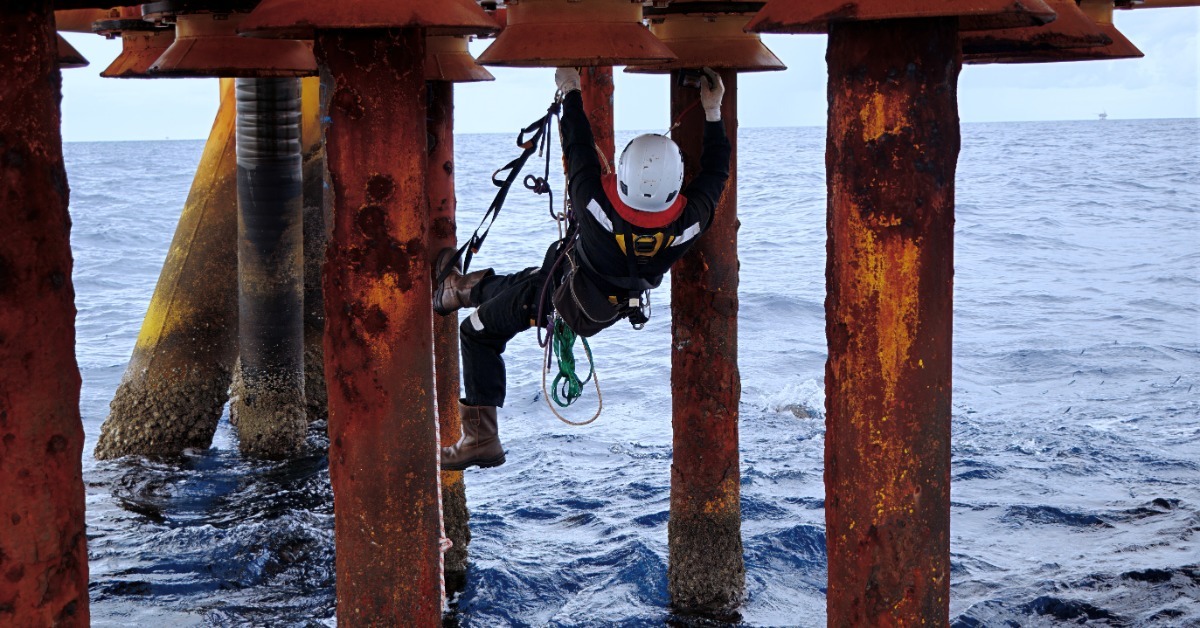
Certification establishes technical expectations, but daily rope access work also depends on appropriate equipment and the ability to use it correctly. Technicians encounter ropes, connectors, descenders, harnesses, and other specialized components throughout training and field operations.
The specific equipment setup varies according to the task and work environment. For example, technicians involved in hauling or positioning systems may encounter rigging ropes and hardware selected for the loads and configuration involved. Understanding equipment specifications matters because certification does not replace manufacturer instructions or job-specific planning.
Professionals should become familiar with the equipment their employers use while developing strong inspection habits. Training creates a foundation, while continued field experience builds deeper familiarity with how equipment functions within complete rope access systems.
Employer Requirements Should Guide the Final Decision
Before paying for a course, look closely at the jobs you want. Employers and clients may specify a particular certification based on company procedures, contracts, or regional expectations.
Compare several factors before registering for training, including employer requirements, your target geographic market, and opportunities for advancement. Also check the current rules directly with IRATA or SPRAT because certification requirements can change.
Choosing the program that fits your career objectives makes more sense than asking which organization offers the universally better credential. Both systems demand technical competency and continued professional development.
Monarch Rope Equips Professionals for Work at Height
Whichever certification path fits your career, dependable equipment remains essential once you enter the field. Rope access professionals need gear suited to demanding work environments and selected according to the requirements of each job.
At Monarch Rope, we provide professional climbing and work-at-height equipment for industries that depend on reliable access and rigging systems. Our selection includes ropes, connectors, pulleys, ascenders, descenders, harnesses, anchors, and other specialized equipment for professional applications. Explore Monarch Rope when you need equipment for your rope access work, and choose gear that matches your system requirements, applicable standards, and manufacturer guidance.