
Your climbing equipment is all that stands between you and serious injury every time you leave the ground. As an arborist, you depend on precision-built gear that performs under pressure, exposure, and repeated use. But over time, even the highest-quality equipment degrades.
Understanding the signs it’s time to replace your arborist climbing equipment allows you to maintain compliance and avoid preventable gear failures. The following indicators highlight when equipment replacement becomes necessary.
Visible Wear and Damage Signal Immediate Replacement Needs
Surface-level damage often provides the clearest warning, as cuts, fraying, glazing, or deformation point to compromised structural integrity. Rope fibers that look fuzzy or flattened no longer deliver the same strength they once did.
Hardware tells a similar story. Bent gates, worn grooves in carabiners, and sharp edges on pulleys create dangerous friction points that worsen with every use. You should inspect all equipment before and after each job. When visual damage appears, remove the item from service immediately and find an appropriate replacement.
Decreased Performance Indicates Internal Degradation
Not all equipment damage appears on the surface. Sometimes, gear simply stops performing the way it should. Ropes may lose flexibility or feel stiff, and mechanical devices may slip or fail to engage smoothly.
These changes often result from internal wear caused by repeated loading, environmental exposure, or contamination. If your system no longer responds predictably, you face increased risk during critical moments. When your equipment feels different than it did when new, you need to investigate and likely replace those items. Subtle performance shifts often show up first during routine movements, so paying attention during everyday climbs makes a difference.
Manufacturer Lifespan Guidelines Should Not Be Ignored
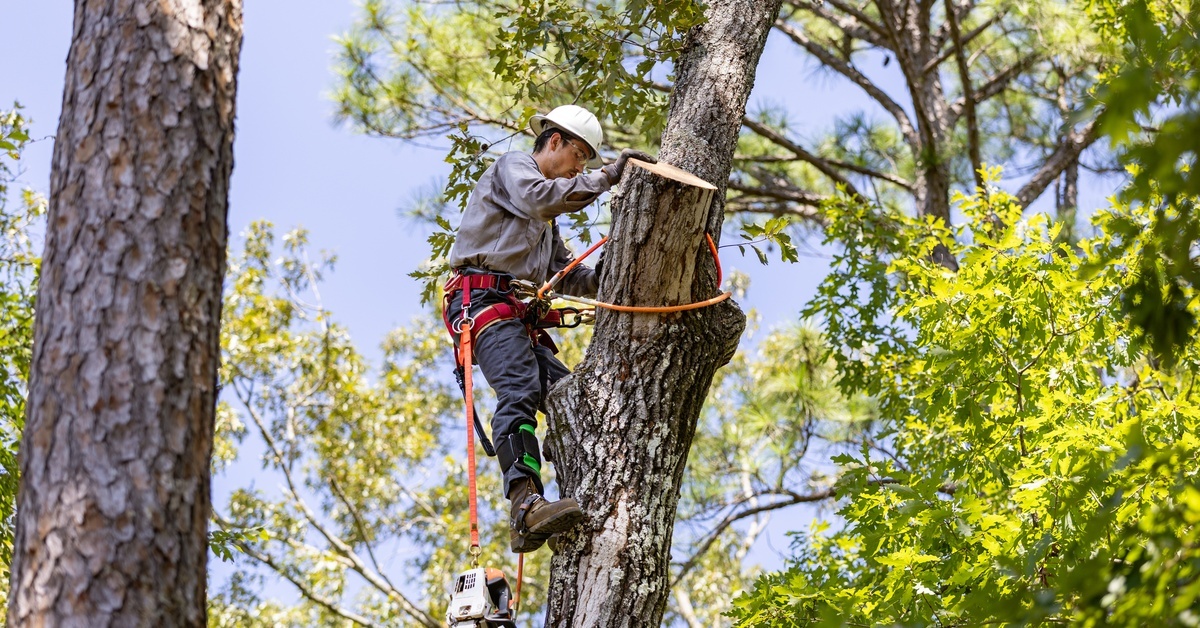
Every piece of climbing equipment comes with a recommended service life. These guidelines reflect material science, testing data, and real-world use conditions. Even if gear looks intact, age alone can weaken components. UV exposure, moisture, and temperature fluctuations gradually break down fibers and materials.
You should track purchase dates and usage frequency for all your gear. Once equipment reaches its maximum lifespan, retire it and find replacements. Relying on outdated gear contradicts best practices and increases liability. Maintaining accurate records also helps you stay organized and consistent across multiple jobsites.
Frequent Exposure To Harsh Conditions Accelerates Replacement Timelines
Arborists rarely work in controlled environments, which means equipment faces sap, dirt, moisture, and chemical exposure on a regular basis. These elements accelerate wear far beyond standard expectations.
Consider how often your gear encounters the following:
- Wet conditions or prolonged humidity
- Chemical exposure, such as fuels or oils
- Abrasive bark and rough surfaces
- Extreme heat or cold
Each factor reduces the lifespan of your equipment. If your work environment involves these conditions daily, you should shorten your replacement cycle accordingly. Cleaning and proper storage can slow deterioration, but they won’t eliminate it entirely.
Compromised Stitching on Load-Bearing Components Creates Hidden Risks
Stitching often holds critical load-bearing components together. When threads loosen, fray, or break, the entire system weakens. This issue becomes especially important when evaluating your arborist climbing harness, as even minor stitching damage can lead to catastrophic failure under load. Unlike surface wear, stitching issues can progress quickly without obvious warning.
Inspect seams, attachment points, and webbing regularly. If anything looks inconsistent or uneven, remove the gear from service. Paying close attention to high-stress zones ensures you don’t overlook early-stage damage.
Equipment Involved in Falls or Shock Loads Must Be Retired
Any equipment that absorbs a fall or sudden shock load experiences significant stress. Even if no visible damage appears, internal fibers or components may have stretched or weakened. You should never reuse gear that has arrested a fall without a thorough inspection—and in most cases, replacement remains the safest decision.
Shock loads change the structural integrity of climbing systems. Continuing to use affected gear introduces unnecessary risk into future climbs. Establishing a clear policy for retiring impacted equipment eliminates hesitation in high-pressure situations.
Outdated Equipment Limits Safety and Efficiency
Climbing technology continues to evolve, and modern equipment improves ergonomics, reduces fatigue, and enhances safety features. Older gear often lacks these advancements. If your equipment feels bulky, inefficient, or incompatible with newer systems, it may be time to upgrade. Staying current doesn’t just improve comfort; it helps you work smarter and safer.
Professionals who invest in updated climbing gear often see gains in productivity and reduced strain over long workdays. Improved compatibility between devices also streamlines setup and reduces time spent adjusting systems in the field.
Inconsistent Inspection Practices Lead to Missed Warning Signs
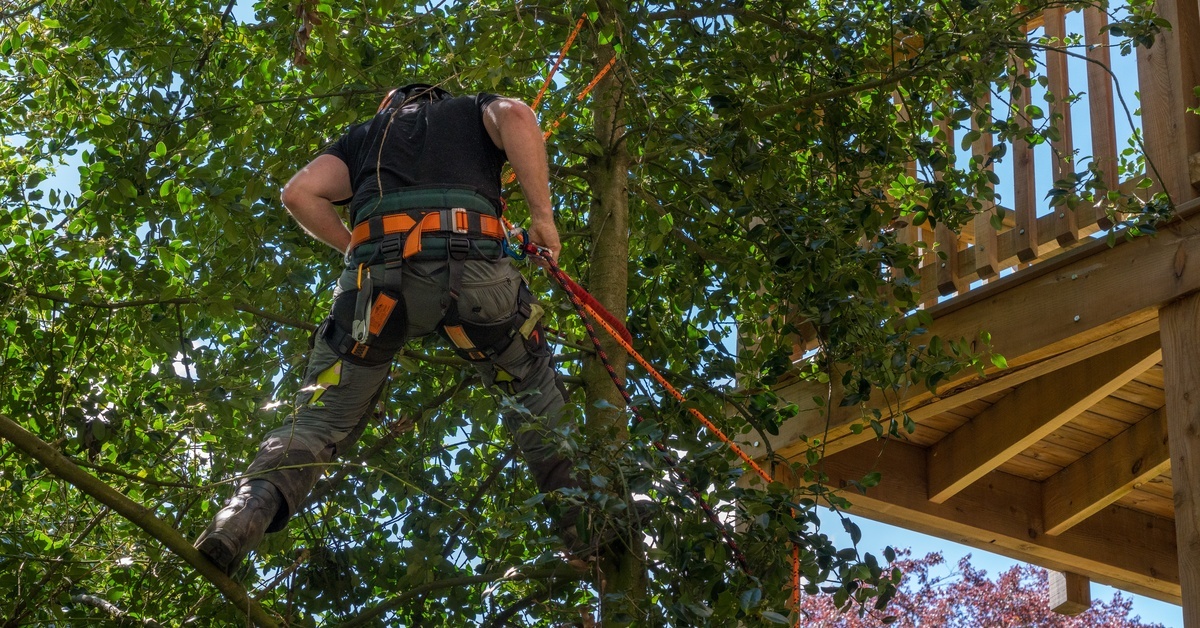
Even experienced arborists can overlook gradual equipment wear without a structured inspection routine. Inconsistent checks allow small issues to grow into serious hazards.
Establish a standard inspection process that includes:
- Pre-climb visual checks
- Post-use inspections
- Scheduled detailed evaluations
- Documentation of wear and replacement dates
Consistency ensures you catch problems early. It also reinforces a culture of safety across your team. When everyone follows the same process, accountability improves across the entire operation.
Proactive Replacement Protects Your Operation
Replacing equipment before failure prevents costly consequences. Injuries, downtime, and liability far outweigh the cost of new gear. High-quality climbing equipment exists to perform under demanding conditions. However, no material lasts forever, and recognizing the signs it’s time to replace your arborist climbing equipment allows you to stay ahead of potential failures.
At Monarch Rope, we focus on providing dependable, professional-grade equipment built for real-world demands. Our team understands the importance of reliable gear because we come from work-at-height backgrounds ourselves. We offer a full range of ropes, harnesses, connectors, and rigging solutions designed to meet evolving safety standards and jobsite challenges.
You don’t need to second-guess your climbing equipment. With the right tools in place, you can focus on the work, not the risk.
Final Thoughts on Recognizing Replacement Timing
Climbing equipment failure rarely happens without warning. The signs exist—you just need to recognize them and act decisively.
By paying attention to equipment wear, performance changes, environmental exposure, and lifespan limits, you create a safer and more efficient operation. Reliable gear supports every movement you make in the canopy. If you haven’t evaluated your arborist climbing equipment recently, now is the right time to start.