
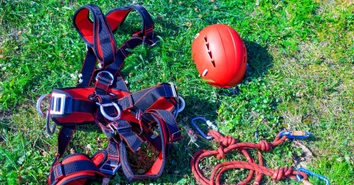
Rope rescue demands careful planning because a single failure can quickly turn a controlled operation into a dangerous situation. Rescuers may work at height, below grade, around industrial structures, or in other environments where straightforward access remains difficult. Every component and connection must support a system that protects the rescuer and the person who needs assistance.
The importance of redundancy in rope rescue systems comes down to reducing reliance on any single point within a critical setup. When teams incorporate appropriate backup measures, they gain additional protection if equipment fails or another unexpected problem develops. Understanding how redundancy works allows professionals to build rescue systems around deliberate risk management.
Redundancy Provides Protection Against Single-Point Failures
Any rope rescue system contains components that perform specific jobs. Depending on the operation, these may include ropes, anchors, connectors, pulleys, belay equipment, or other specialized gear. A single-point failure occurs when one critical component fails and compromises the entire system.
Redundancy addresses that vulnerability by creating an independent means of protection where the consequences of failure warrant one. If one part can no longer perform its intended function, another part can prevent an immediate loss of control.
However, adding equipment does not automatically make a system redundant. Two components that depend on the same vulnerable anchor or share another critical weakness may still leave the operation exposed to failure. Rescue professionals need to evaluate how components interact rather than simply count how many pieces they use.
Independent Backup Systems Strengthen Critical Protection
True redundancy requires more than duplication. Backup elements need enough independence from the primary system to remain functional when something goes wrong.
Consider an anchor system. Using multiple attachment points can distribute forces and provide additional security, but rescuers still need to assess each point and the way the overall configuration responds to movement or failure. A backup that shares the same weakness as the primary component offers limited protection.
Rescue teams should examine several questions while evaluating critical elements:
- Could one failure affect both primary and backup protection?
- Does each component have an appropriate rating and intended use?
- Could movement or shifting forces affect the backup?
- Are connectors properly positioned and loaded?
- Can rescuers identify and operate each part without confusion?
These questions encourage rescuers to think about function and independence rather than adding hardware without a defined purpose.
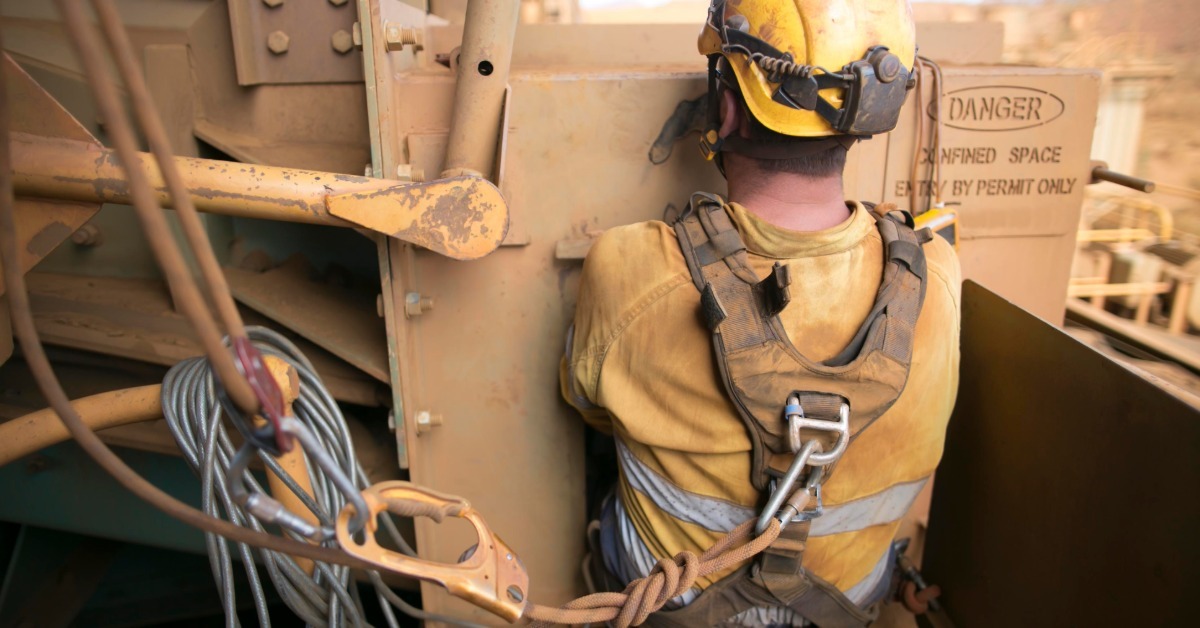
Redundancy Supports Control During Raising and Lowering
Rope rescue requires teams to move a load through areas where personnel cannot easily reach it directly. Raising and lowering systems give rescuers the mechanical control needed for those operations, and redundant safeguards limit the consequences of an unexpected loss of control.
A properly selected progress capture device can support a hauling system by holding gained progress as the team raises a load. That function reduces the chance of losing significant progress between hauling cycles when the device operates within a correctly configured system.
Lowering operations require the same attention to control. The team must consider what happens if the primary means of managing the load becomes unavailable. Appropriate backup protection gives rescuers another means of arresting or controlling movement.
Redundancy Gives Teams More Options When Problems Develop
Unexpected issues can arise even when a team plans carefully. Equipment can shift, a rope path may need adjustment, or the original movement plan may no longer suit conditions at the scene.
A system with appropriate backups gives the rescue team options without requiring personnel to abandon all load protection while they solve the problem. For example, an independent backup may maintain protection while rescuers address an issue elsewhere in the system. That flexibility matters because rescue operations often involve limited access. A technician may not have an easy way to reach a problem component once the load moves away from the original work area.
Rescuers still need to understand exactly what each backup does. Redundancy should create meaningful alternatives, not encourage improvisation with equipment that lacks a defined function.
Clear System Design Keeps Redundancy Manageable
More equipment can introduce new challenges. Extra ropes may cross each other, additional connectors can complicate inspections, and overly elaborate systems may become difficult for team members to interpret quickly. Good rescue system design balances redundancy with clarity. Each component should have a reason for being there, and rescuers should understand its purpose before loading the system.
Clear communication supports that goal. Teams need consistent terminology and an established understanding of who operates each part of the system. Before movement begins, personnel should confirm the configuration and identify critical backup elements.
A visually organized system can also make inspections easier. When rescuers can trace rope paths and identify connections without sorting through unnecessary equipment, they can spot potential problems sooner.
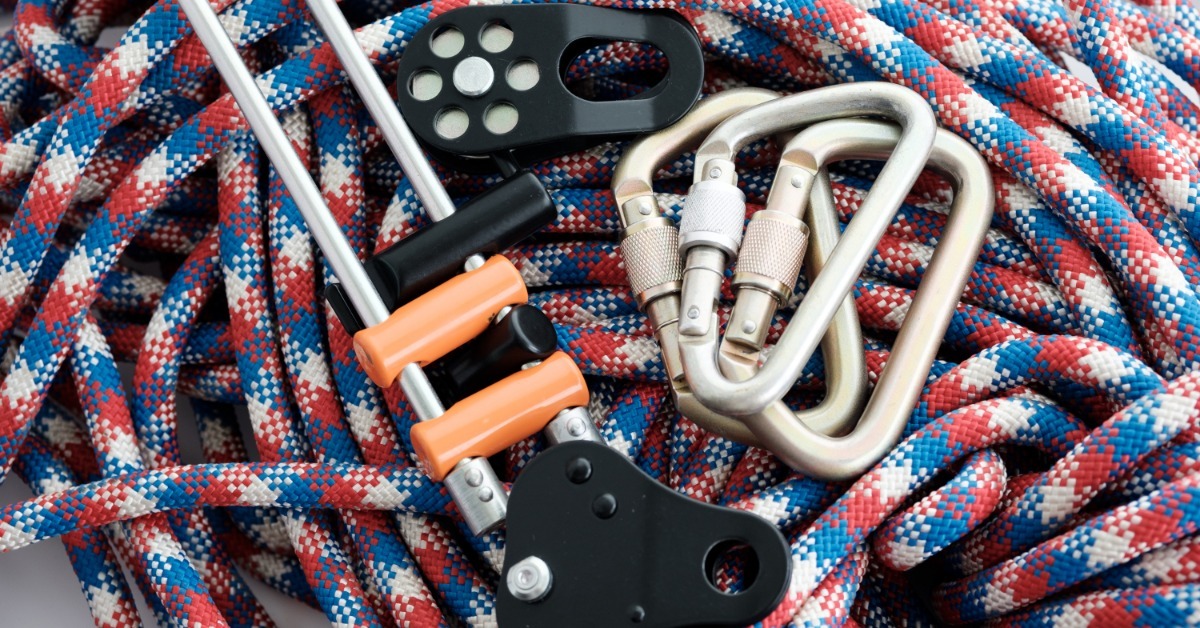
Proper Equipment Selection Makes Redundancy More Effective
Redundant systems still depend on the quality and suitability of their individual components. Adding a second component offers little value if neither item suits the expected forces, rope diameter, operating environment, or intended function.
Professionals should select equipment according to manufacturer specifications and applicable workplace or rescue requirements. Compatibility deserves particular attention because rope rescue systems combine multiple components into a working whole. A connector, pulley, rope, or descent-control device may perform well individually yet create problems when paired incorrectly with another component.
Inspection matters as well. Teams should examine gear according to applicable procedures and remove questionable equipment from service when necessary. Redundancy should never serve as justification for relying on damaged or inappropriate gear.
Training Turns Redundant Equipment Into a Functional System
Hardware cannot compensate for a team that does not understand its system. Rescue personnel need the technical knowledge to recognize why a backup exists, when it should engage, and how their actions may affect it.
Training also gives teams opportunities to identify unnecessary complexity. If personnel routinely struggle to understand a configuration during controlled practice, that system could become even more difficult to manage under demanding field conditions.
Repeated practice reinforces system checks, communication, and equipment handling. It also allows teams to examine potential failure scenarios before facing them during an actual rescue. Professionals should treat redundancy as a design principle rather than a checklist item. Every backup needs a clear purpose tied to a specific hazard or consequence.
Reliable Gear Supports Thoughtful Rope Rescue Planning
Redundancy works in rope rescue systems when teams combine sound system design, suitable equipment, and professional judgment. No backup eliminates every hazard, but carefully planned independent protection can reduce the consequences of a critical component failure.
At Monarch Rope, we understand that professional work-at-height and rescue operations depend on equipment that fits the demands of the job. We offer ropes, connectors, pulleys, anchors, belay and descent devices, rigging equipment, PPE, and other professional climbing gear for demanding applications. Whether your team needs to replace worn equipment or build out rope systems, we can help you find gear suited to your operational requirements.