
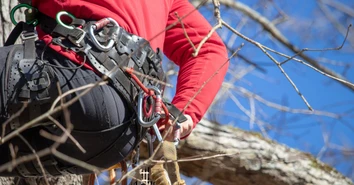
Arborists rely on equipment every time they leave the ground. A harness supports the climber, connectors link critical components, and rigging hardware manages demanding loads during tree work. Daily use exposes each item to abrasion, dirt, moisture, impact, and other conditions that gradually affect performance.
The importance of regular gear inspection for arborists comes down to knowing the condition of equipment before trusting it at height. For professional tree care operations, inspection should form a routine part of equipment management rather than an occasional task.
Regular Inspections Identify Damage
Some equipment problems stand out immediately; others require a closer look. A quick glance across a gear bag may miss subtle rope damage, distorted hardware, loose stitching, or wear around high-contact areas.
Crews should inspect equipment before use and pay close attention to any item that has experienced unusual loading or an incident. Arborists should look at the complete component rather than focusing only on the areas that normally receive the most wear.
For example, inspecting climbing ropes for tree care requires examining the rope along its working length and considering how it feels in your hands. Changes in diameter, stiffness, sheath condition, or handling may warrant closer evaluation. Manufacturers may provide additional inspection and retirement criteria for specific rope constructions.
Consistent Checks Support Safer Work at Height
Tree care exposes equipment to demanding conditions. Bark creates friction, sawdust works its way into gear, and wet environments introduce moisture. Equipment may also encounter sharp edges or chemicals during transport and work.
Regular inspections allow crews to address those conditions before starting another climb. A pre-use check might reveal contamination on a rope, unusual wear on a connector, or damage to a harness attachment point. Finding a concern on the ground gives the crew an opportunity to evaluate the equipment before anyone relies on it aloft. Depending on the item, arborists may need to examine:
- Rope fibers and sheath condition
- Harness webbing, stitching, buckles, and attachment points
- Carabiner bodies, gates, locking mechanisms, and contact surfaces
- Pulleys and other moving hardware for smooth operation
- Lanyards for cuts, abrasion, glazing, or damaged components
- Metal equipment for cracks, deformation, corrosion, or excessive wear
Crews should also consider an item’s history. A component that experienced an unusual event deserves additional scrutiny even when damage does not immediately stand out.
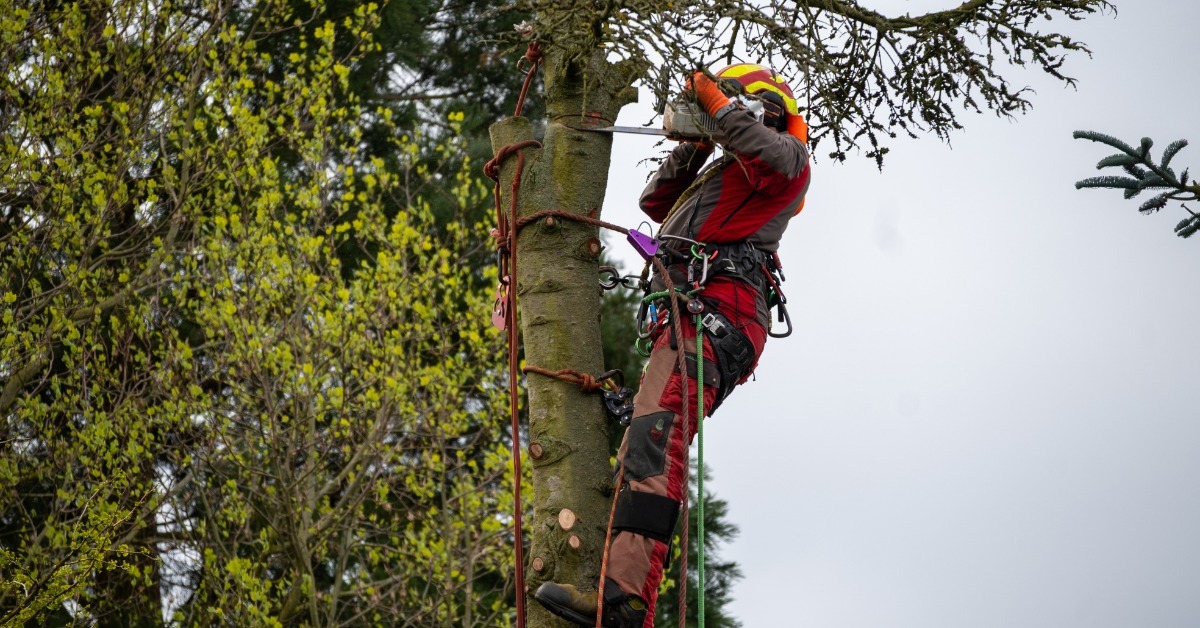
Inspections Keep Small Problems From Becoming Large Ones
Wear often develops gradually. A rough contact surface may continue abrading textile equipment, while dirt inside moving hardware might affect operation. And a minor rope issue may worsen as the crew continues using it.
Regular inspection creates opportunities to catch those changes early. Arborists can clean equipment when appropriate, investigate unexpected wear, or remove a questionable item from service before its condition deteriorates further.
Inspection can also reveal problems elsewhere in a climbing or rigging setup. If one rope repeatedly shows wear in the same area, for instance, the crew can examine the equipment and work practices that contact that section. The visible damage may point toward a larger issue that deserves attention.
Equipment Records Make Gear Condition Easier to Track
Inspection records create a clear history for gear and make changes easier to follow over time. Companies can identify equipment by serial number or another appropriate tracking method, then record inspections according to their internal procedures and applicable manufacturer guidance. Records may include purchase information, inspection dates, noted concerns, and retirement details.
Documentation becomes especially useful when several people use shared gear. Instead of relying on assumptions about an item’s history, crew members can reference established records and follow company procedures for equipment management.
A consistent system also creates accountability, as workers know when inspections need attention and where to document concerns. Not to mention, managers gain a better view of equipment condition across the operation.
Thorough Inspections Support Replacement Decisions
Arborist equipment does not last indefinitely, but replacement decisions should follow appropriate criteria rather than appearance alone. Different materials experience wear in different ways, and manufacturers may specify retirement conditions or service-life limitations for particular products.
Inspection gives arborists the information they need to compare equipment condition against those requirements. If a rope shows damage outside acceptable limits or a connector no longer functions correctly, the crew can remove it from service according to established procedures.
This process also supports purchasing decisions. Tracking wear patterns may show which equipment sees the hardest use or which components require replacement more frequently. Companies can use that information when planning inventory and keeping necessary equipment available.
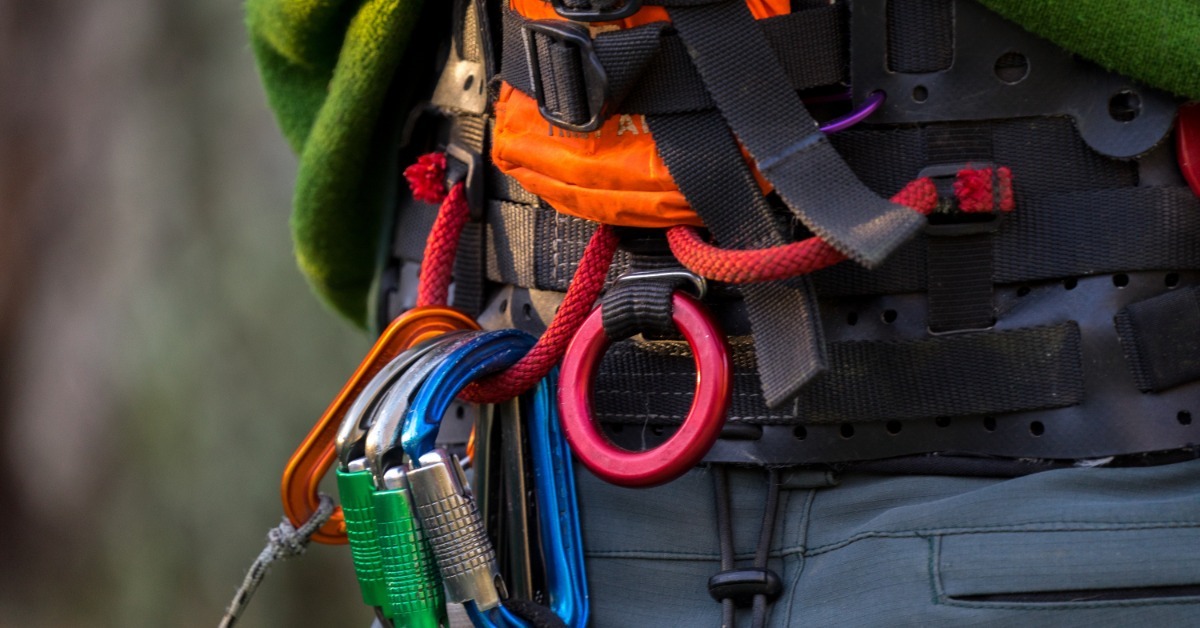
Proper Cleaning and Storage Make Inspection More Effective
Inspection does not exist separately from equipment care. Dirt can hide surface damage, while poor storage conditions can expose gear to moisture, chemicals, heat, or sunlight.
Follow the manufacturer’s cleaning instructions for each product. Avoid improvising with cleaners or methods that could damage equipment materials. After cleaning, allow gear to dry as directed before storing it in an appropriate location.
Organization matters as well. When crews return equipment to designated storage areas, they can more easily identify missing items and keep damaged gear separate from serviceable equipment. A clear quarantine process for questionable gear reduces the chance that someone accidentally returns it to active use.
Routine Inspections Reinforce a Stronger Safety Culture
A company’s equipment habits communicate its expectations. When crews inspect gear consistently, report concerns, and respect retirement criteria, those actions make equipment care part of normal professional practice.
Supervisors can reinforce that standard by giving workers enough time to perform meaningful checks instead of treating inspection as a formality. Crews should also understand the inspection criteria for the equipment they use and know what to do when they find a concern.
Questions should trigger evaluation rather than guesswork. When an arborist cannot determine whether equipment remains suitable for use, the crew should follow company procedures and consult the manufacturer’s guidance as appropriate. Over time, consistent inspection habits create a shared expectation that every climber takes equipment condition seriously.
Quality Gear and Regular Inspection Work Together
The importance of regular gear inspection for arborists extends beyond finding obvious damage. Inspection supports informed equipment decisions, better recordkeeping, and consistent jobsite preparation. It also encourages crews to pay attention to how their equipment changes through everyday professional use.
Quality equipment provides the foundation, but arborists still need to inspect and maintain it according to the manufacturer’s instructions. When your crew needs to replace worn equipment or update climbing and rigging setups, turn to Monarch Rope for professional gear backed by knowledgeable service. We work to provide current equipment that meets the practical demands of professionals who depend on their gear every day.