

Rope access work attracts people who want a challenging profession that combines technical skill, problem-solving, and work in unique environments. From inspecting wind turbines to maintaining oil and gas facilities, rope access technicians perform critical tasks in locations that traditional access methods cannot reach efficiently.
If you are exploring things to know when considering a rope access career, understanding the demands, training requirements, and long-term opportunities can help you determine whether this profession aligns with your goals. While the work offers exciting challenges and strong earning potential, success requires a commitment to safety, continuous education, and physical readiness.
Rope Access Requires Specialized Training From the Start
One of the first realities of entering the industry involves professional training. Rope access technicians must complete certification programs through organizations such as SPRAT (Society of Professional Rope Access Technicians) or IRATA (Industrial Rope Access Trade Association).
Training introduces fundamental techniques for ascending, descending, positioning, rescue procedures, and equipment inspection. Candidates spend significant time practicing these skills before they can work on active jobsites.
Unlike some careers that provide extensive on-the-job instruction before responsibilities increase, rope access requires workers to demonstrate competency early. Employers expect technicians to understand safety systems and proper procedures before entering the field. Many technicians begin at entry-level certification and advance through additional training as they gain experience.
Physical Fitness Directly Impacts Job Performance
Working at height places unique demands on the body. Rope access technicians spend hours suspended in harnesses while climbing ropes, carrying equipment, and navigating complex structures.
Strong core strength, flexibility, and endurance contribute to better performance and comfort throughout the workday. Physical conditioning does not require elite athletic ability, but candidates should feel comfortable performing strenuous tasks while maintaining focus and attention to detail. Anyone considering this profession should honestly assess their ability to work in physically demanding conditions for extended periods.
Safety Culture Defines Every Aspect of the Profession
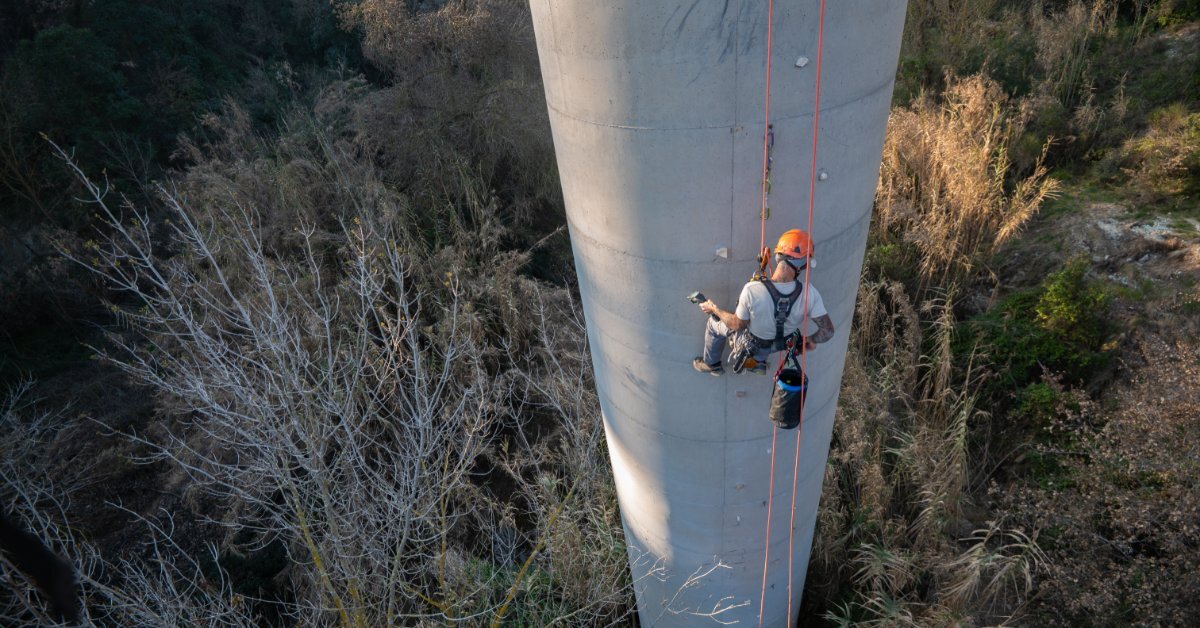
Safety remains the foundation of rope access operations. Every procedure, inspection, and work plan revolves around risk management. Technicians routinely inspect harnesses, connectors, ropes, anchors, and other critical equipment before beginning work. They also follow strict redundancy requirements that maintain backup systems throughout operations.
As technicians progress through the industry, they become increasingly responsible for identifying hazards and evaluating jobsite conditions. Successful professionals develop a safety-first mindset that influences every decision they make. Companies actively seek workers who demonstrate discipline and attention to detail because even minor oversights can create significant consequences in work-at-height environments.
Equipment Knowledge Becomes a Core Professional Skill
Many newcomers focus on climbing techniques, but equipment knowledge proves equally important. Rope access technicians must understand how different devices function, when specific tools apply, and how equipment interacts within complete safety systems. Workers regularly use ascenders, descenders, connectors, anchors, backup devices, and specialized rope rigging equipment to perform tasks efficiently and safely.
Technology continues to evolve throughout the industry. Manufacturers regularly introduce innovations designed to improve safety, productivity, and ergonomics. As a result, experienced technicians continually expand their equipment knowledge throughout their careers.
Career Opportunities Extend Across Multiple Industries
Many people associate rope access with a single industry, but technicians work across numerous sectors. Oil and gas companies frequently employ rope access teams for inspections and maintenance, while wind energy providers rely on technicians for turbine repairs and blade inspections. Telecommunications companies use rope access personnel to service towers and communication infrastructure.
Additional opportunities exist within the following fields:
- Power generation
- Bridge inspection
- Construction
- Industrial maintenance
- Stadium and arena rigging
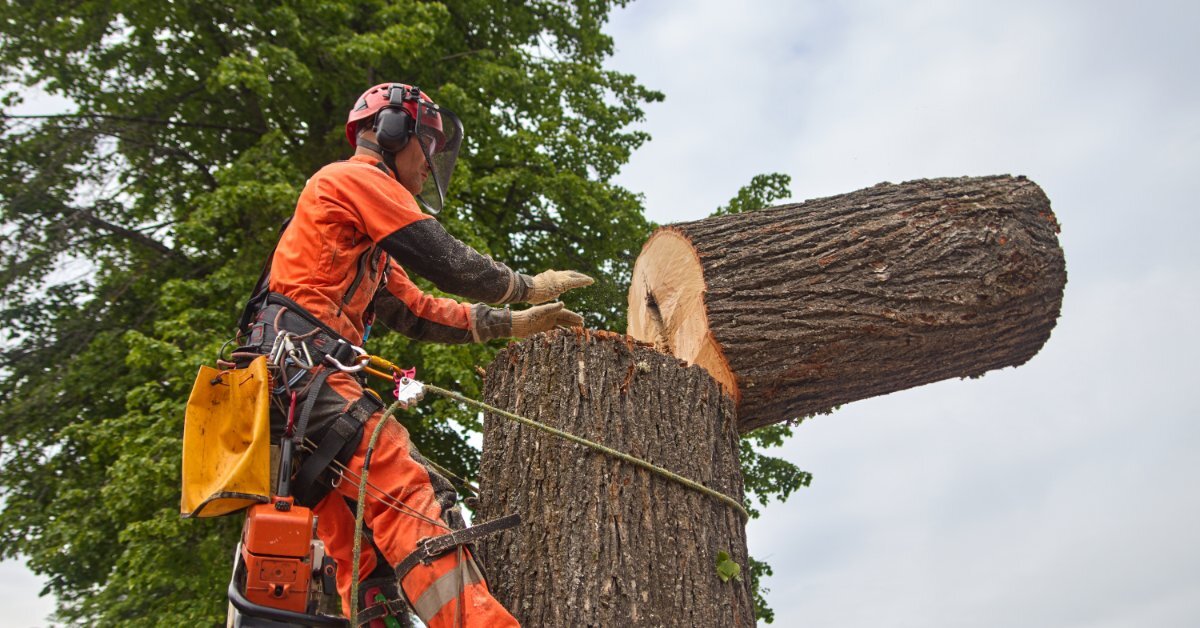
- Arboriculture
This diversity creates flexibility for workers who want exposure to different industries during their careers. Rather than becoming limited to one work environment, many technicians build experience across multiple sectors as they advance.
Advancement Depends on Experience and Continuous Education
Career growth in rope access follows a structured path. Certification levels increase as technicians accumulate work hours, complete additional training, and demonstrate leadership abilities. Advancing beyond entry-level positions often requires proficiency in rescue planning, crew supervision, hazard assessment, and project coordination.
Many technicians also pursue specialized certifications related to inspections, nondestructive testing, welding, electrical work, or other technical disciplines. These additional skills increase earning potential and open doors to higher-level positions. Professionals who invest in ongoing education typically enjoy broader career opportunities and greater long-term stability.
Work Environments Change Frequently
Few rope access professionals spend every day in the same location. Projects often vary by industry, geographic region, and client requirements. One assignment may involve inspecting refinery infrastructure, while another focuses on wind turbine maintenance or structural assessments. This variety appeals to individuals who enjoy solving new challenges and adapting to changing conditions.
At the same time, frequent changes require flexibility. Travel may become part of the job, particularly for technicians supporting large industrial projects or specialized inspection teams. Candidates who thrive in dynamic environments often find this aspect of the profession especially rewarding.
Professionalism Matters As Much as Technical Ability
Technical skills open the door to employment, but professionalism often drives long-term success. Clients trust rope access teams to work safely around critical infrastructure and expensive assets. Employers value technicians who communicate effectively, follow procedures, maintain equipment properly, and represent their organizations professionally.
Strong teamwork also remains essential, as rope access operations depend on clear communication and coordination among crew members. Technicians frequently work in situations where cooperation directly affects efficiency and safety. Building a reputation for reliability can create opportunities that extend well beyond certification credentials alone.
A Rope Access Career Offers Long-Term Potential
When evaluating things to know when considering a rope access career, it becomes clear that the profession demands much more than a willingness to work at height. Success requires training, physical preparedness, equipment knowledge, and a commitment to safety that never fades.
For individuals who enjoy technical work, problem-solving, and unique job environments, rope access can provide a rewarding and sustainable career path. The industry’s continued growth across energy, telecommunications, infrastructure, and industrial maintenance sectors creates ongoing demand for qualified professionals.
At Monarch Rope, we understand the importance of dependable equipment for professionals working at height. Whether you are preparing for your first certification course or advancing your career with specialized gear, we offer professional-grade equipment backed by real-world industry experience. Explore our selection of ropes, harnesses, connectors, and access equipment to support your success in the field.