
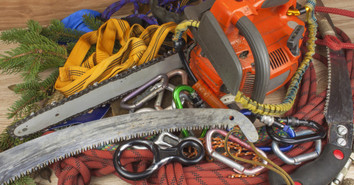
Professional arborist equipment faces demanding conditions every day. Ropes slide across bark, harnesses support long hours in the canopy, and hardware encounters dirt, moisture, and changing weather. After every job, proper storage matters just as much as proper use. A thoughtful storage routine protects expensive equipment, keeps safety gear ready for inspection, and reduces replacement costs.
Many professionals focus on climbing techniques and gear maintenance but overlook what happens after the workday ends. The way you store equipment affects its condition between jobs and influences how quickly you can prepare for the next project. With that, consider these tips for storing arborist gear and equipment.
A Clean Storage Routine Protects Equipment From Early Wear
Every storage routine should begin with cleaning equipment after use. Dirt, sap, sawdust, and moisture continue affecting materials long after a job finishes. If debris remains on ropes, harnesses, and hardware during storage, those contaminants continue breaking down fibers and surfaces over time.
Shake loose debris from ropes before storing them. Wipe down metal components to remove dirt and moisture, and brush sawdust from harnesses and inspect webbing for signs of abrasion.
Cleaning equipment also creates an opportunity to perform regular inspections. Instead of rushing equipment into storage, take a few extra minutes to identify worn stitching, damaged connectors, or excessive rope glazing before the next job. A consistent cleaning habit keeps storage spaces cleaner while extending the usable life of valuable climbing equipment.
Dry Conditions Reduce Damage
Moisture creates problems that often remain hidden until equipment needs to be replaced. Wet ropes can develop mildew, while damp harness padding may retain odors or deteriorate faster than expected.
Allow equipment to dry completely before placing it into storage. Hang ropes loosely in a shaded, well-ventilated area until they reach normal moisture levels. Avoid direct sunlight exposure during the drying process because prolonged UV exposure weakens many synthetic materials.
Storage areas should remain cool, dry, and protected from excessive humidity. Climate-controlled spaces offer excellent protection, especially in regions with frequent temperature swings or high moisture levels. Proper airflow benefits nearly every type of arborist equipment, particularly textiles that spend long hours outdoors.
Organized Storage Makes Equipment Easier To Inspect
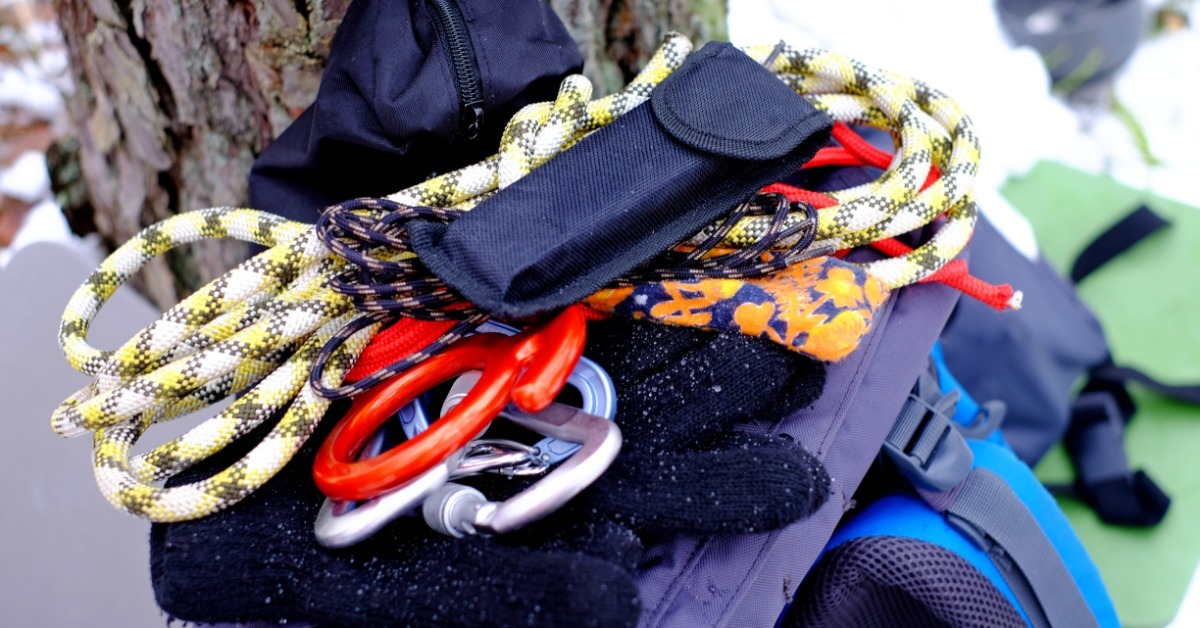
An organized storage system saves valuable time while reducing unnecessary handling of equipment. Instead of stacking everything together, assign dedicated locations for different categories of gear.
Consider organizing equipment by its purpose or frequency of use. This could include:
- Storing climbing ropes in rope bags or dedicated rope bins
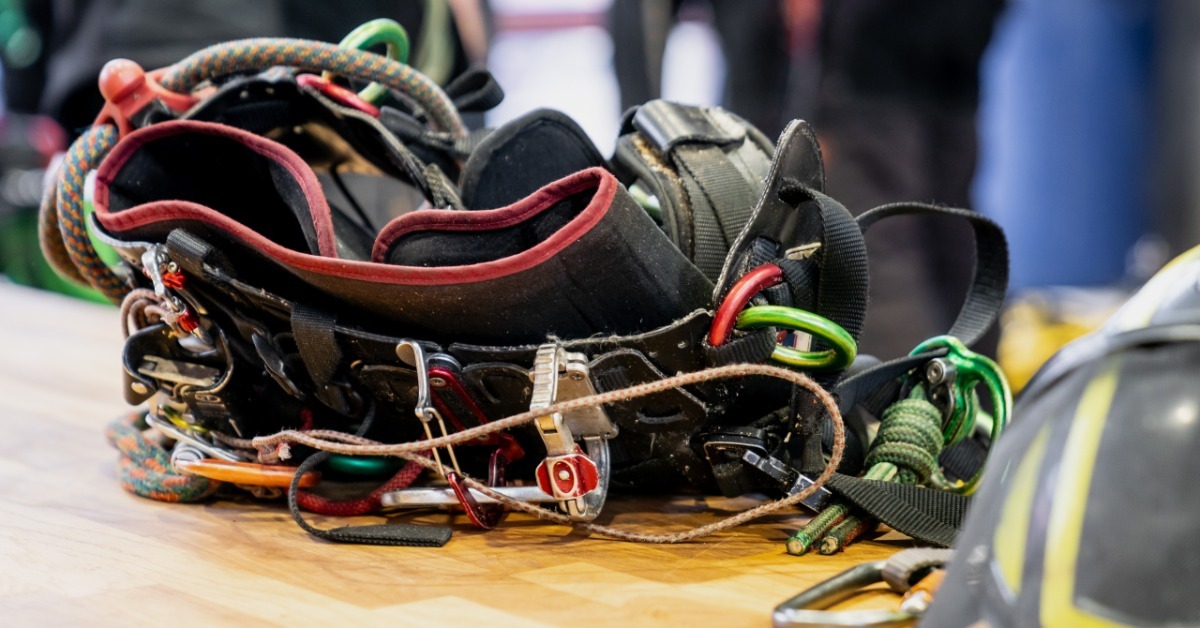
- Hanging harnesses where webbing can remain untwisted
- Keeping carabiners, pulleys, and ascenders together in labeled containers
- Separating PPE from cutting tools and fuel-powered equipment
- Reserving shelving for helmets, throw lines, and accessory gear
Organization simplifies pre-job inspections because every item remains visible and accessible. Missing equipment becomes obvious immediately instead of after arriving at the worksite. When crews share equipment, labeled storage locations also reduce confusion and improve accountability.
Proper Rope Storage Preserves Strength and Performance
Ropes represent some of the most valuable components of an arborist’s equipment collection. Improper rope storage shortens their lifespan faster than many professionals realize.
Avoid tightly wrapping ropes around hooks or hanging them from narrow pegs that create bends. Instead, coil ropes loosely or store them inside quality rope bags designed for professional climbing equipment. Keep ropes away from chemicals, oils, gasoline, battery acids, fertilizers, and cleaning products; even indirect exposure can compromise rope fibers without producing visible warning signs.
Store ropes separately from sharp tools, chainsaw chains, or metal edges that could damage the outer sheath during transport or storage. Small storage habits like these preserve equipment performance while reducing replacement expenses.
Separate Heavy Equipment From Delicate Safety Gear
Storage systems should prevent equipment from damaging neighboring gear. Heavy lowering devices, chainsaws, rigging blocks, and large hardware should never rest directly on top of harnesses or ropes. Constant pressure creates unnecessary wear that accumulates over time. Shelving systems work well because they allow equipment categories to remain separated while keeping everything easy to access.
Protect helmets from impacts while in storage by placing them on shelves rather than under heavy equipment bins. Likewise, keep gloves, eye protection, and other PPE away from oils or chemicals that may contaminate protective materials.
If your equipment includes an LED work headlamp, remove the batteries before long-term storage whenever the manufacturer recommends doing so. Battery leakage can damage electrical contacts and shorten the service life of lighting equipment.
Regular Inventory Checks Prevent Missing Equipment
Storage should support inventory management as much as equipment protection. Develop a habit of reviewing equipment before returning it to storage. Confirm that every essential item returns from the jobsite, and document any equipment removed from service.
Many companies maintain written inspection logs for ropes, harnesses, and life-support equipment. Organized storage complements these records by making inspections faster and more consistent.
Inventory reviews also identify aging equipment before it reaches retirement criteria. Rather than discovering missing gear on the morning of an important project, you can replace worn components during scheduled maintenance. Well-managed storage creates greater operational efficiency throughout the entire organization.
Transportation Storage Matters Between Jobs
Equipment storage does not begin only after returning to the shop. Transport conditions affect equipment every day.
Leaving gear inside a truck bed exposes it to rain, excessive heat, direct sunlight, and airborne debris. Even enclosed vehicles can become extremely hot during summer months, placing unnecessary stress on synthetic materials. Secure equipment inside dedicated storage compartments whenever possible, using protective bags and cases that prevent hardware from shifting during transport.
Unload equipment promptly after returning from the jobsite instead of allowing it to remain inside vehicles overnight. Consistent handling routines reduce environmental exposure while making inspections easier. These transportation habits support many of the same goals for storing arborist gear and equipment, creating protection throughout every stage of equipment use.
Quality Storage Supports Long-Term Safety
Storage often receives less attention than climbing techniques or equipment selection, yet it directly influences worker safety and operating costs. Clean, dry, organized equipment remains easier to inspect, easier to transport, and more reliable when every climb depends on it.
Small improvements to your storage routine can extend the usable life of ropes, harnesses, hardware, helmets, and accessories while reducing wear between projects. Every professional arborist benefits from treating storage as part of an overall equipment maintenance program rather than an afterthought.
At Monarch Rope, we carry high-quality climbing gear, ropes, harnesses, headlamps, PPE, and professional equipment designed for tree care professionals who expect dependable performance on every job. If you’re upgrading your equipment or building a better storage system, we’re ready to help you find the right products for your operation.